




















Game News
Bubble Frenzy: Wipeout Blast
Game Introduction Lock onto bubbles of the same hue for precise matches, and popping them unlocks the thrilling rush of clearing the entire board! Keep a close eye on the timer’s tick, take down as many bubbles as you can, and race to set new elimination records with faster speed. This fun, fast-paced challenge fits perfectly into every moment of free time—dive in anytime and soak up all the joy of bubble popping! Game Features 1. Classic Bubble Popping with Thrilling Instant Feedback:Aim and match bubbles of the same color for precise pops, and unlock an exhilarating elimination experience the moment you burst them. Every move delivers clear visual feedback for ultimate stress relief.2. Timed Racing Challenges to Chase High Scores:Keep an eye on the ticking timer, target as many bubbles as possible to race for higher scores, and break your personal records time and again for a fulfilling sense of achievement.3. Low Entry Barrier, Accessible for All Players:The core gameplay rules are simple and intuitive with no complicated operation learning curve. New players can master the game quickly, and players of all age groups can join the fun with ease.4. Lightweight & Fast-Paced, Perfect for Fragmented Time:Enjoy flexible single-round play durations with the fast-paced challenge mode. It fits perfectly into all kinds of free moments like commutes and lunch breaks, letting you dive into the fun anytime, anywhere to kill leisure time effortlessly. Gameplay and Controls 1. Aim at bubbles of the same color, launch and match them to pop and eliminate.2. Keep an eye on the timer, take down as many bubbles as possible and race for high scores. Game Guide As a fast-paced casual elimination game, the core fun of Bubble Wipeout lies in the dual challenges of precise matching and timed racing. No complicated operations are required—master the core skills to get started quickly and refresh high scores. This concise guide covers beginner’s basics, advanced skills and high-score secrets, helping you easily unlock the elimination pleasure of each round, suitable for playing in various fragmented time periods. Beginner’s Guide: Low entry barrier, finding the rhythm is the key. The core rules of the game are simple and intuitive: just aim at bubbles of the same color, drag or click to launch, and 3 or more connected bubbles of the same color can be eliminated. There’s no need to rush to launch at the start; first quickly observe the bubble layout on the screen, prioritize locking on to dense clusters of bubbles of the same color, and avoid wasting time and opportunities by launching blindly—after all, the timer counts down throughout the game, and every move is related to the final score. Remember, precise matching is more important than fast launching; beginners can use the screen pointer to assist in aiming and improve hit rate. Advanced Skills: Make good use of gameplay skills to improve elimination efficiency. To clear the screen efficiently, you need to flexibly use three practical skills: first, rebound shooting—use the angle of wall rebound to hit upper bubbles that cannot be reached in a straight line; when the upper bubbles are eliminated, the suspended bubbles below will automatically fall, achieving efficient scoring; second, bubble penetration skill—find the gaps between bubbles, accurately shoot bubbles into the gaps, connect bubbles of the same color on both sides, and achieve the effect of wiping them all out at once; third, advance planning—pay attention to the color of the next bubble to be launched, predict layout changes, lay the foundation for subsequent eliminations, and avoid making mistakes due to temporary panic. High-Score Secrets: Control time and sprint for extreme records. The core of the timed mode is the balance between "speed" and "precision". While keeping an eye on the timer, prioritize eliminating a large number of bubbles of the same color—triggering chain eliminations can get extra points. When encountering hard-to-eliminate corner bubbles, don’t waste too much time entanglement; adjust your strategy in time, turn to easier-to-eliminate clusters, and avoid running out of time due to single-point consumption. In addition, keep a calm mind, avoid launching blindly in a hurry to chase scores; every precise operation can lay the foundation for high scores, and repeated practice can gradually improve your hand speed and judgment. Summary: This game requires no complicated operations, but a certain degree of strategy. Beginners start with basic aiming, proficiently master rebound and bubble penetration skills, and focus on time control and layout prediction after advancing, so they can easily improve their scores. Use fragmented time to practice more, constantly optimize your strategy, and you can not only enjoy the stress-relieving pleasure of elimination, but also continuously refresh your personal records and unlock your own highlight moments of bubble elimination.

Sweet Candy Mania: Blast Match 3 Puzzles
Game Introduction Step into a vibrant candy world where a heartwarming puzzle adventure is waiting for you! There’s no need to rush here—explore countless fun levels at your own pace. Simply match three or more candies of the same color skillfully to unlock dazzling blast effects and finish the fun missions in each level. Every successful match hides a sweet surprise, and each level conquered is filled with a strong sense of accomplishment. This delightful sugary challenge is absolutely perfect for puzzle lovers who have a soft spot for brain teasers! Come meet Lucky, the adorable pink piglet with an insatiable sweet tooth, who’s embarked on a deliciously sweet journey. Lucky’s mom has made a little promise with him: he can only enjoy more yummy sweets if he keeps pushing himself to take on new candy challenges. So lend him a hand—match candies, unlock fantastic rewards, and accompany him as he levels up and blasts through every stage of the adventure. In this bright, colorful candy wonderland, stay by your cute little buddy’s side, find endless joy in every thrilling candy blast, unlock more amazing and unique levels, and set off together on this utterly sweet candy adventure that warms your heart! Game Features 1. Easy-to-learn yet strategic Match-3 gameplay: The basic operation only requires matching three or more candies of the same color for a barrier-free start. You can create combo chains to unlock high-multiplier rewards, and strategic positioning adds more challenges to the game, making it easy to pick up but hard to master.2. Sweet adventure with an adorable companion: Embark on the journey with Lucky, the cute pink pig with a sweet tooth. Complete level challenges to help him level up and unlock exclusive rewards, infusing the candy-matching process with fun and interactive moments.3. A vast library of levels with regular updates: New levels are added weekly, with progressive difficulty designs and unique missions for each stage. Various difficulty tiers cater to all types of players, ensuring endless and fresh matching fun every time you play.4. Stunning strategic candy-blasting experience: Clever positioning triggers explosive combos and dazzling blast effects. Overcome tough level obstacles with smart combo tactics, adding rich strategic depth to the simple and classic candy-matching gameplay.5. Diverse exclusive challenge modes: The game features score races, global tournaments, team battles and more unique playstyles. These varied challenge formats break the single level-clearing mode, delivering distinct and exciting matching experiences for different play preferences.6. Soothing and vibrant audio-visual experience: Feast your eyes on the bright, lively candy-themed art style, paired with crisp and satisfying blast sound effects that perfectly fit the sweet game theme. Immerse yourself in the joyful and colorful world of candies completely.7. Leisurely gameplay tailored for spare time: There are no fixed play rhythm restrictions—start or pause level challenges whenever you want. Whether you’re playing for a short relaxing break or a long gaming session, you can always enjoy a comfortable and casual gaming experience.8. Generous level-clearing reward system: Sweet surprises and rewards await you for every successful match and level clearance. Unlock exclusive in-game props by completing high-level challenges, which will help you conquer the harder subsequent levels with ease. Gameplay and Controls 1. Slide the screen to match 3+ candies of the same color to eliminate them. 2. Create consecutive matches to trigger special effects and pass levels. 3. Tap to use props to overcome difficult levels. 4. Pause or resume anytime for casual play. Game Guide As a healing match-3 puzzle game, the core of Candy Blast Mania is to pass levels easily while accompanying the cute pig Lucky to grow. This guide focuses on "efficient matching, rational use of power-ups, and easy leveling up", suitable for beginners to get started quickly, and also helps players break through difficult levels to unlock all sweet fun. Basic level-clearing skills are the core, and beginners need to keep two points in mind. First, follow the principle of "prioritizing bottom matching". When sliding the screen to match three or more candies of the same color, prioritize operating the candies at the bottom of the board. This allows the candies above to fall naturally, which is likely to trigger chain reactions, saving movement steps and improving scoring efficiency. Second, keep an eye on the level objectives. Different levels have different tasks; some require collecting specific candies, while others need to eliminate obstacles. Do not match blindly; every move should revolve around the task to avoid wasting movement times. The rational use of special effects and power-ups is the key to breaking through difficulties. Matching four candies of the same color can trigger a linear elimination effect, clearing an entire row or column horizontally or vertically; matching four candies in an L or T shape can unlock an area explosion effect to clear surrounding candies; connecting five candies of the same color in a line can obtain a full-screen same-color elimination effect, easily resolving complex situations. Save power-ups for later use: bombs, rainbow candies, etc., should be reserved for levels with insufficient steps or dense obstacles, and try not to use them at the start to avoid resource waste. Advanced skills help with efficient leveling up and accompany Lucky to grow quickly. When passing levels daily, try to accumulate combo times. The more combos you get, the richer the rewards—you can not only get more power-ups but also help Lucky level up to unlock exclusive benefits. When stuck on a level, do not rush to use power-ups. First observe the board layout, find potential special effect combinations, and match two adjacent special effects to trigger a more powerful elimination effect, which can often turn the tide. Finally, a reminder: the game focuses on a casual rhythm, so there is no need to rush for quick success. You can pass levels freely in your spare time, pause to think when encountering difficulties, and make good use of daily rewards to unlock power-ups. Mastering the above skills allows you to easily deal with all types of levels, gain full fun in sweet matching, quickly become a candy-matching master, and accompany Lucky through this delicious and interesting adventure.
Calm Pin Puzzle: Screw Jam Flow
Game Introduction A brain-teasing puzzle challenge that puts your spatial ingenuity and strategic smarts to the test—awaiting your exploration and breakthrough! On the exquisitely designed level boards, screws and pins are arranged in an intricate layout, with every single piece holding the key to solving the puzzle. Only by sorting out the layout and weighing each move carefully can you find the right path to clear the level. The game features a host of creatively crafted unique levels, each boasting an exclusive board design. As you advance through the challenges, the complexity of the puzzles ramps up step by step, bringing you escalating joy of puzzle-solving. Here, your logical thinking and spatial judgment abilities will be fully stimulated, and every successful level unlock will reward you with a great sense of accomplishment—this is an unmissable fun challenge for all puzzle lovers! Game Features Core Brain-Teasing ChallengePut your spatial thinking and strategic planning to the test. Every screw and pin on the board holds the key to solving the puzzle, and each move demands careful consideration. Hone your logical reasoning skills as you unravel each intricate conundrum. Creative Progressive Level DesignDive into a wealth of elaborately crafted unique levels, each with an exclusive board layout for a one-of-a-kind puzzle-solving experience. Difficulty ramps up gradually from easy to complex, catering to players of all skill levels and delivering a layered sense of challenge. Immersive Stress-Relieving GameplayClean visual graphics paired with smooth in-game animations bring satisfying sensory feedback as you twist screws and move pins. Lose yourself in the immersive puzzle-solving process to unwind and relax your mind and body. Diverse Puzzle-Solving FunMultiple solving approaches are available for certain levels, breaking the mold of single-solution puzzles. Unlock rewards upon level completion and revel in the immense sense of accomplishment from beating each challenge, greatly boosting the game’s explorability and replay value. Easy to Learn, Accessible for AllIntuitive and easy-to-grasp gameplay logic with no complicated rules allows new players to quickly pick up the game and enjoy the fun of puzzle-solving. Meanwhile, the high-difficulty levels offer in-depth exploration for seasoned puzzle enthusiasts. Gameplay and Controls Tap and twist screws, move pins, operate in the correct order to clear board obstacles, and remove all relevant parts to unlock levels. Game Guide This guide is specially created for Screw Pin Jam Puzzle players, covering beginner tips, core skills and advanced key points to help you quickly grasp the puzzle-solving logic, clear various levels efficiently, and easily unlock all the fun. The core of the game is to clear obstacles on the board by operating screws and pins reasonably, which tests your spatial thinking and strategic planning. Mastering the skills will allow you to easily cope with all kinds of puzzles. Key for beginners: Do not rush to operate. Take 10 seconds to observe the board layout at the start, clarify the connection between the distribution of screws and pins, and distinguish between unobstructed parts and fixed key parts. Prioritize clicking and twisting the screws and pins on the edge that are unobstructed and unrelated. These parts do not rely on other operations; removing them can quickly clear up space on the board, make room for subsequent operations, and cultivate operational feel and observation habits. Core level-clearing skills: Order is the core of puzzle-solving. Some screws and pins are fixed to each other; blind operation will cause the board to get stuck and prevent further progress. You can adopt the principle of "from outside to inside, from simple to complex": first remove independent parts, then handle interrelated combined parts. When encountering complex levels, you can reason backwards, deduce each step from the goal of "removing all parts", and determine the parts to remove first. Advanced tips to avoid pitfalls and improve: As the difficulty of the levels increases, the board layout will become more complex. Some levels support multiple puzzle-solving ideas; you can flexibly try different orders to accumulate puzzle-solving experience. If you get stuck, there is no need to try repeatedly. You can observe the details of the board to find hidden connection points and avoid the mistake of "removing key fixed parts first". At the same time, use the smooth operational feedback to relieve pressure and stay focused. Each successful unlock will improve your spatial judgment and logical reasoning abilities. Summary: This game does not require complex operations; the core lies in the closed loop of "observation - planning - execution". Beginners accumulate experience from simple levels, gradually challenge high-difficulty levels after becoming proficient, focus on order planning and detailed observation, and can easily solve all puzzles. You can not only enjoy the fun of puzzle-solving, but also gain a full sense of accomplishment, making it suitable for all kinds of puzzle lovers for long-term experience.

Calm Master: Soft Tumble Adventures
Game Introduction Step into the thrilling arena of extreme parkour and embark on your exclusive Tumble Master trial! Become a seasoned parkour athlete, take on electrifying backflips in your dedicated competitive zone, unlock a whole range of gravity-defying awesome stunts, and conquer every high-difficulty platform with sharp, fluid moves. Have you ever dreamed of nailing those jaw-dropping extreme stunts? Now, that dream turns into a tangible reality. In this immersive parkour simulation, you’ll leap off dizzying high platforms, pull off seamless flips and twists mid-air, push your personal limits to the edge in this ultimate parkour playground, and revel in the unparalleled thrill of parkour sports. No need to fret about the initial clumsiness—with constant practice, every jump and every flip will grow more polished, transforming into instinctive moves etched deep into your muscle memory. Dare to embrace this heart-pounding parkour adventure? Master your flipping skills and dive into the action right now! Game Features 1. Diverse Extreme Parkour Stunts:Unlock electrifying backflips, fancy spins and a variety of gravity-defying stunts, pull off seamless aerial moves, and unleash awesome parkour combos to savor the thrill of stunt challenges.2. Immersive High-Altitude Parkour Scenes:A dedicated extreme parkour playground with a variety of terrains like towering high platforms is crafted for you. Leap off dizzying heights and experience stunning visual impact and heart-pounding on-site excitement.3. Newbie-Friendly Progressive Gameplay:With a low operational threshold, beginners can get the hang of it quickly. Turn jumps, flips and other moves into muscle memory through constant practice, and break through your own operational limits step by step from being unskilled to masterful.4. Unlimited Self-Challenge Experience:Centered on surpassing yourself, the game has no fixed difficulty ceiling. You can keep attempting more difficult parkour moves and relish the immense sense of accomplishment after nailing extreme stunts.5. Realistic Parkour Simulation:Highly restore the physical movement dynamics of parkour. The feedback of stunt performance and high-altitude leaps aligns with real parkour experience, creating an immersive extreme parkour simulation gameplay. Gameplay and Controls Click and hold the screen to charge for flips and jumps Release at the right moment to land and perform perfect flip stunts Control the charging time to unlock various difficult flip moves Game Guide As an extreme parkour flip-focused game, the core fun of Tumble Master lies in precise control and stunt breakthroughs. Master the key skills to get started quickly, grow from a novice to a parkour master, and easily unlock various difficult moves and levels. The core of getting started for novices is mastering the charging rhythm. The game operation is simple: just click and hold the screen to charge for flip jumps, which is also the foundation of all stunts. For low-platform scenarios, a short press of 1-2 seconds is suitable to complete basic forward flips and land steadily to accumulate points; for high-altitude platform scenarios, you need to hold for 3-4 seconds to perform advanced moves such as backflips after charging, and feel the excitement of aerial flips with the realistic feedback of the physics engine. Novices should not be in a hurry. First, practice basic charging repeatedly, so that the timing of releasing the screen each time matches the landing rhythm and forms muscle memory. The key to advanced breakthroughs is stunt unlocking and scene utilization. As your operational proficiency improves, you can unlock a variety of flip stunts by controlling the charging time—for example, connecting two short presses to complete consecutive flips, which greatly improves the scoring efficiency. At the same time, mechanisms such as springboards and moving platforms will randomly appear in the scene. Reasonably using these elements can not only shorten the level clearance time, but also easily complete difficult stunts—for example, holding to charge while in the air with the help of a springboard can unlock multi-segment aerial flips and gain extra points. A pitfall avoidance guide is indispensable. Many players fail because they blindly pursue high difficulty and ignore scene rules. When encountering narrow steps or continuous turning sections, you need to appropriately shorten the charging time, fine-tune the flip angle slightly, and avoid falling due to excessive flipping; at the same time, the game has dynamic difficulty adjustment. Choose the challenge rhythm reasonably according to your own performance, do not rush to try advanced stunts, and make steady progress step by step. In addition, failure will deduct part of the rewards. Plan your challenge strategy reasonably and find a balance between risk and reward. Long-term improvement requires focusing on practice and resource accumulation. In daily practice, summarize the charging rules of different scenes, familiarize yourself with the appearance rhythm of various obstacles, and adjust your operation strategy in advance. After clearing levels, you can unlock new characters and skins, and some characters can also improve charging stability to help break through operational limits. Persist in practice, and you can not only unlock all stunts, but also occupy a place on the leaderboard and truly enjoy the fun of parkour flips.
Billiard Tiny: Mini Table Pocket Joy
Game Introduction Step into a lovely and delightful mini billiard world and embrace the unique lighthearted fun of billiards! With ultra-easy-to-grasp controls, you can dive straight into exciting matches, nail awesome trick shots at will and unlock a whole host of amazing skill gameplay. The game is packed with a variety of distinctive personalized cues, each boasting its own unique design and exclusive special effects—mix and match freely to craft your one-of-a-kind playing style. Whether you’re looking for a quick casual game to kill time in your spare moments, or aiming to practice hard and become a billiard expert, this game has got you covered. The soothing 2D cartoon art style shapes a vibrant and colorful game world, and the fun, highly immersive gameplay is perfect for players of all ages. Let everyone experience the sheer joy of every strike on the mini billiard table! Game Features 1. Cute Cartoon Visuals: Adopt a vibrant and soothing 2D cartoon art style to create a light and lovely mini billiard game atmosphere, delivering a delightful visual experience. 2. Ultra-Simple Intuitive Controls: The gameplay is easy to master with no complicated learning curve, allowing new players to jump straight into billiard matches quickly. 3. Awesome Trick Shot Gameplay: Support spectacular trick shot operations, land amazing fancy shots at will, and unlock abundant fun and a strong sense of accomplishment from every hit. 4. Collectible Unique Cues: Unlock a variety of distinctive themed cues, each featuring a one-of-a-kind appearance and exclusive special effects to create your personalized playing style. 5. Lightweight Casual Matches: Fast-paced game modes are perfectly suited for spare time, with short single-round durations for a relaxed and stress-free gaming experience. 6. All-Age Friendly Gameplay: The accessible and fun gameplay design has no entry barriers, catering to both casual entertainment and billiard skill practice needs, and is suitable for players of all ages. Gameplay and Controls 1. Aim: Slide the screen to adjust the shooting direction, aligning with the target ball and pocket. 2. Power: Drag the power bar or press and hold the screen to set the shooting strength. 3. Shoot: Release your finger or click to confirm and strike the cue ball. Game Guide As a cute and casual mini billiard game, Tiny Billiard balances entertainment and light competitiveness. It requires no complicated operations to get started quickly, and you can easily improve your winning rate and unlock all the fun after mastering the core skills. This guide is suitable for players of all ages, focusing on beginner's entry, shooting skills, cue selection and advanced points, helping you quickly grow from a novice to a mini billiard master and efficiently unlock all gameplays. Core for Beginners: Priority to Stability and Accuracy, Avoid Mistakes. Follow the principle of "aim lightly, control strength, and shoot slowly" in operation. When sliding the screen to aim at the target ball, first align with the center line of the ball and the pocket to avoid large-angle deviation. Beginners can use the virtual aiming line to assist positioning, and fit the game's physical collision mechanism to improve accuracy. Strength control is the key. The mini table is small and the distance between balls is close. It is enough to drag the strength bar to 30%-50%, avoiding excessive strength leading to the cue ball falling into the pocket or the target ball bouncing off the table. At the beginning of a single game, aim to "clear easy balls and leave room for subsequent shots" instead of blindly pursuing fancy shots. Core Shooting Skills: Precisely Control the Cue Ball and Plan the Shooting Order. Prioritize hitting the target balls close to the pockets and advance in turn to avoid messy shooting resulting in no balls to hit later. When encountering angled balls, you can use the simplified ghost ball aiming method, aim at the extension point of the line connecting the target ball and the pocket, and adjust the strength slightly; for short-table bank shots, you can use the medium-low cue, aim at the angle of the table edge, and hit with small force to improve the goal rate without complicated cue techniques. After shooting, try to keep the cue ball in the middle area of the table to reserve a suitable angle for the next shot, and avoid the cue ball being against the rail or close to the pocket. Cue Selection Guide: Adapt to Your Own Gameplay, Refuse Blind Unlocking. Beginners should first use the unlocked basic cues. These cues have strong stability and uniform force transmission, which are convenient for practicing basic accuracy and adapt to beginners' operating habits. After unlocking multiple cues, choose according to your gameplay: choose cues with simple appearance and no complicated special effects for stability; choose cues with special effects if you like fancy shooting, and use their elasticity advantage to hit bank shots and combination shots, but you need to adapt to the cue's force feedback in advance to avoid the special effects affecting the operation rhythm. Advanced Improvement Points: Practice Skills Diligently and Adapt Flexibly. Daily practice can focus on polishing bank shot and combination shot skills to adapt to the game's endgame scenarios and cope with different game situations. You can conduct short-game practice in your spare time to familiarize yourself with the ball distribution rules of different tables and cultivate muscle memory; after unlocking the multiplayer mode, you can compete with other players and learn efficient shooting ideas. At the same time, avoid frequent mistakes. One pocket slip may make you lose the advantage of the whole game. Treat every shot carefully, balance casual entertainment and skill improvement, and easily unlock all game achievements.

Racing Motocross: Super Adrenaline Surge
Game Introduction Mount your dirt bike and face the thrilling tracks filled with ramps, aerial jumps and fun obstacles! Steer your ride with steady balance, hit the throttle and dash for the finish line, keeping full control without taking a spill. This casual motocross game blends high-octane racing excitement with engaging track challenges, featuring beginner-friendly controls that suit players of all ages. Easy to get the hang of, it’s an adrenaline-fueled joy that’ll keep you hooked for hours on end! Game Features 1. Diverse & Fun Track Design Tracks are lined with ramps, aerial jumps and a variety of clever obstacles. Rich terrain combinations bring unpredictable challenges to every race and unlock unique off-road riding experiences. 2. Low-Threshold & Intuitive Controls No complicated operation settings—simply master your bike’s balance and throttle rhythm, and new players can quickly unlock the core fun of motocross racing in no time. 3. Immersive Off-Road Riding Experience The gameplay follows realistic motocross physics. The perfect combination of precise balance control and sprint rhythm delivers an authentic sense of speed for every ride, letting you feel the thrilling clash of speed and skill. 4. Casual Racing for All Ages Player-friendly difficulty suits gamers of every age group. The fast-paced dash-to-finish gameplay is ideal for quick play sessions, making it easy to pick up yet incredibly hard to put down. 5. Rewarding Racing Challenges Race toward the core goal of crossing the finish line without a single crash. You’ll need to nimbly avoid obstacles and keep your bike stable the whole way—claiming victory brings immense a sense of accomplishment and exhilarating racing thrills. Gameplay and Controls 1. Control the bike’s balance to avoid crashing 2. Operate the throttle to adjust sprint speed 3. Avoid track obstacles and pass ramps/jumps smoothly 4. Sprint at full speed to cross the finish line first Game Guide As an easy-to-pick-up and highly replayable casual off-road racing game, Super Motocross’s core fun lies in the dual experience of precise control and extreme sprinting to the finish line. This guide focuses on the three core elements: stable balance, speed control, and obstacle avoidance, catering to both beginners and advanced players to help you quickly master skills and easily unlock the fun of all tracks. For beginners, adapting to the controls is the top priority—no complex button memorization is needed, and there are only two core points: mastering the bike’s balance and adjusting the throttle rhythm. The game uses a realistic physical engine, and the tilt angle of the bike directly affects the driving state. Beginners can first practice on basic tracks, gently control the balance to avoid crashing, and use tap-style control for the throttle. Never step on the throttle fully throughout the race to prevent loss of control when cornering or encountering obstacles. After getting familiar with it, you can smoothly connect acceleration and balance adjustment to quickly get started with the core gameplay. Dealing with tracks is the key to crossing the finish line, and flexible strategies are required for different terrains. When encountering ramps, step on the throttle lightly to maintain a constant speed when going uphill to avoid stalling due to insufficient power; release the throttle appropriately when going downhill and lower the bike’s center of gravity to prevent crashing due to excessive speed. For jump sections, grasp the take-off timing, add a little force before take-off, stabilize the balance while in the air, and step on the throttle gently to buffer when landing to reduce the probability of imbalance. At the same time, you can use jumps to fly over small obstacles ahead to save time in crossing the finish line. Obstacle avoidance and rhythm control determine the efficiency of crossing the finish line, and various obstacles on the track need to be predicted in advance. Small obstacles can be passed smoothly at low speed, while large obstacles can be jumped over with the help of ramps to avoid deceleration or crashing caused by direct collision. Try to maintain a constant speed throughout the race, avoid frequent sudden acceleration and emergency braking, which can not only reduce the risk of balance loss but also maintain the sprint rhythm. Especially in sections with many obstacles, stability is more important than speed. For advanced improvement, you can focus on polishing details, use the practice mode to familiarize yourself with different track layouts, memorize the positions of obstacles and ramps, and plan the driving route in advance. At the same time, reasonably control the sprint rhythm—if you are leading in the second half, you can slow down appropriately to stabilize the balance; if you are behind, you can step on the throttle briefly on straight sections to catch up, balancing speed and stability. With more practice, you can proficiently master the bike’s balance skills, gradually achieve crossing the finish line without crashing, and unlock a higher sense of accomplishment. Overall, this game does not require complex operations, and the core lies in "stability" and "skill". Beginners can practice step by step, master the coordination of balance and speed proficiently, and easily conquer all kinds of tracks to enjoy the exciting fun of off-road racing.
Remix Ball Super: Rhythmic Juggling Mastery
Game Introduction Step into the world of high-octane arcade soccer fun with a bold, stylish spin on classic ball juggling! Venture across world-famous landmarks spanning Paris, New York, Rome, Pisa and Sydney, showcasing your freestyle juggling flair against stunning city backdrops. Easy to learn and pick up in an instant, yet endlessly challenging to master and perfect your juggling craft – every moment of play is brimming with global charm and dynamic excitement. How long can you keep the soccer ball soaring in the air without a drop? Push your skills to the limit and claim your title as the ultimate freestyle juggling star! Game Features 1. Fast-paced arcade freestyle juggling experience Centered on non-stop high-speed ball juggling with street freestyle soccer at its core, it tests your reflexes and operational rhythm for an immersive taste of the thrill and excitement of arcade competition. 2. Immersive scenes with global landmarks Unlock five iconic city landmarks—Paris, New York, Rome, Pisa and Sydney—as game backdrops. Show off your skills against stunning scenery and soak in rich global vibes. 3. Accessible yet in-depth gameplay design No complicated rules, letting new players jump right into the juggling challenge in an instant. Mastering long-lasting juggling and honing freestyle tricks takes practice, delivering fun for both casual and hardcore gamers alike. 4. A pure stage for freestyle skill display Break free from the tactical constraints of traditional soccer games and focus on unleashing your freestyle juggling skills. Create your own unique juggling style at will and savor the freedom and creativity of street soccer. 5. Engaging endurance challenge core gameplay The ultimate competition revolves around "keeping the soccer ball airborne as long as possible". Every new personal best is a fresh record, constantly sparking your competitive spirit and unlocking more challenging juggling experiences. Gameplay and Controls 1. Tap or swipe the screen to kick up the soccer ball and keep it airborne 2. Time your moves and adjust your rhythm to stop the ball from touching the ground 3. Play freely and show off your freestyle juggling tricks Game Guide As a fast-paced arcade juggling game, the core goal of Super Ball Juggling Remix is to keep the soccer ball airborne without dropping it, unlock global landmarks, and break endurance records. This guide focuses on "easy to learn, steady progression, and high score chasing", covering operation details, rhythm control, and mistake-avoidance tips. It helps new players get started quickly and advanced players break through bottlenecks, allowing you to easily master freestyle juggling. Core for Beginners: Master basic operations and stabilize the initial rhythm. The game’s operations are extremely simple—tap or swipe the screen to kick up the soccer ball—but the key lies in "light touch force rather than continuous tapping". Continuous heavy tapping can easily make the ball bounce too high and disrupt the rhythm, while a light touch can accurately control the bounce height and reserve reaction time. In the initial single-ball challenge, focus on observing the football's falling trajectory and tap when the ball is directly above the player's head to avoid mistakes caused by the ball touching other parts of the body. Maintain a steady rhythm to easily complete the initial endurance. At the same time, new players don’t need to rush to show off freestyles; first ensure "no drops", accumulate basic time, and unlock landmark scenes such as Paris and New York. Advanced Tips: Deal with the two-ball challenge and polish freestyles and rhythm. After juggling a single ball 7-8 times, the two-ball mode will be unlocked. You need to control players on both sides to juggle separately, which tests hand-eye coordination. At this time, you need to have a clear division of labor: the left and right screens correspond to the players on both sides respectively. Keep the light touch timing staggered, and try to keep the two balls at the same height to avoid neglecting one for the other. You can try connecting light swipes and light taps to create simple freestyles, which will not affect endurance but also improve operational feel. As the score increases, the game rhythm will speed up. At this time, you need to stay calm, not speed up blindly, still follow the principle of "light touch and timeliness", and use the gap between the ball's bounces to adjust your state. High Score Mistake-Avoidance and Unlocking Tips: Avoid three common mistakes and unlock scenes efficiently. First, avoid impetuous operations; when the rhythm is chaotic, slow down the tapping frequency in time to restart the rhythm. Second, don’t get distracted by the score—excessively focusing on records can easily lead to slip-ups. Third, refuse to play continuously for a long time; fatigue will reduce reaction ability, and proper rest will make it easier to break high scores. Unlocking scenes requires accumulating enough airborne time; there’s no need to pursue a high score in a single game, just accumulate steadily. Different landmark scenes do not affect gameplay, only add visual fun, and focusing on endurance is the core. Summary: The core of the game is "rhythm > speed, stability > flamboyance". Beginners start with stabilizing single-ball endurance, and advanced players conquer two-ball coordination. Keep in mind the light touch skills and maintain a calm attitude, and you can constantly break records, unlock all landmarks, become the ultimate freestyle juggling master, and easily enjoy the excitement and fun of this arcade game.
Tennis Rush Sprunki: Energetic Court Play
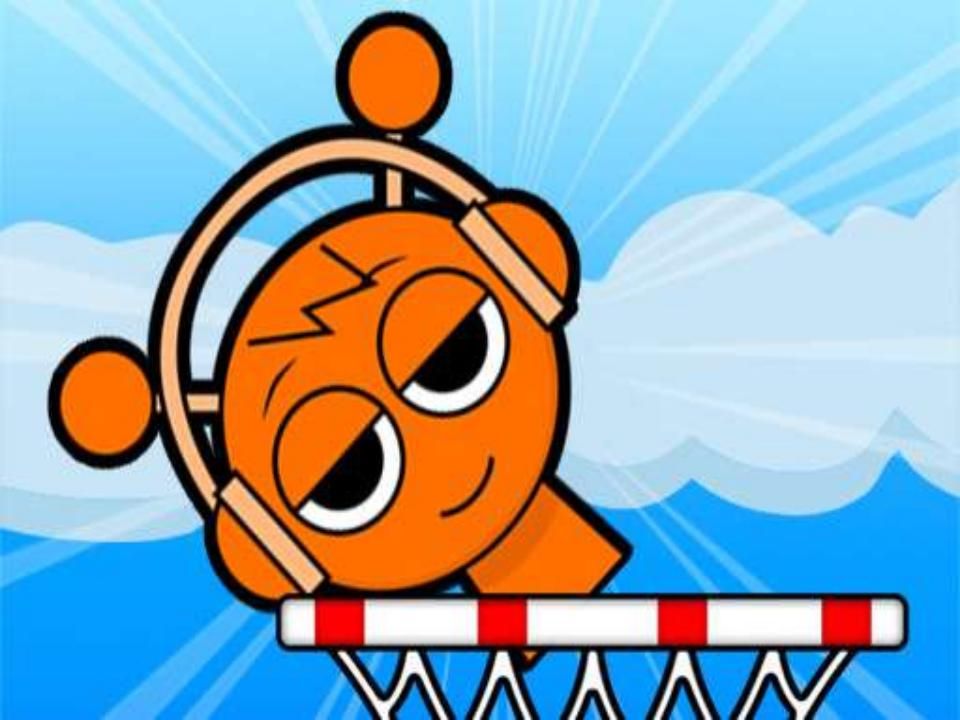
Game Introduction A fun aiming challenge where Sprunki meets pirates—this delightful sports game is perfect for players of all ages! Dive into an exciting launch-based adventure where your task is to send ninjas flying straight into the hoop, and every single shot is an ultimate test of your aiming skills. Nail the ideal launch angle and master the perfect amount of force, for precision is the key to your success. Every flawless swish through the hoop is a testament to your skill. The game’s goal is wonderfully simple yet thrilling: score consecutively to the best of your ability and push for a new high score record. As you progress through each level, fresh obstacles and challenges unlock one after another, bringing a unique new test with every stage. Only by honing your aiming craft nonstop and perfecting steady, accurate moves can you break through every barrier. Focus your attention, aim straight for the hoop’s center, unleash your precise gameplay, and see how far you can go as you set amazing new records! Game Features Core Fun Experience A casual sports gameplay suitable for all players with simple and easy-to-learn rules. Both newbies and veteran gamers can quickly immerse themselves and effortlessly enjoy the fun of launch-based level challenges. Precision Operation Test The gameplay centers on aiming skills, requiring you to accurately calculate the launch angle and force, and master the precision of every shot. The key to sending ninjas into the hoop successfully lies entirely in your operation, making the game highly skillful and challenging. Progressive Level Challenges The difficulty of levels advances step by step, with brand-new obstacles and challenges unlocked in each stage that constantly refresh the gaming experience. You need to continuously hone your aiming skills to break through levels and make steady progress. Fun Level Challenge Goal The core objective is to score consecutively and chase higher records, with no complicated mission requirements. Focus on savoring the sense of accomplishment from precise shots, and the level challenge process is full of competitiveness and fun. Unique Thematic Fusion The playful style of Sprunki is integrated with the adventurous elements of pirates, endowing the classic launch and aiming gameplay with a distinctive thematic atmosphere and bringing a fresh feel to the level challenge experience. Gameplay and Controls Adjust the launch angle and force, aim at the hoop to shoot ninjas, avoid level obstacles, score consecutively to challenge higher records, and unlock new levels gradually. Game Guide As a casual aiming sports game suitable for all players, the core fun of Sprunki VS Pirates lies in accurately launching ninjas into the hoop, scoring consecutively and breaking through levels. For new players who want to get started quickly and set new records, mastering core skills is crucial. This guide covers introductory operations, advanced strategies and key points to avoid mistakes, helping you easily play this fun level-breaking game and efficiently overcome various level challenges. Core of Getting Started: Precisely control the angle and force to lay a solid foundation for scoring. New players must first master the "distance correspondence rule", which is the key to successfully sending ninjas into the hoop. For short distances (the hoop is in the lower half of the screen), adjust the launch angle to 30°-45° and the force to 50%-60% to avoid the ninja flying out of the hoop due to excessive force; for medium distances (the hoop is in the middle), adjust the angle to 45°-60° and the force to 60%-70% to ensure the ninja enters the hoop smoothly; for long distances (the hoop is in the upper half of the screen), increase the angle to 60°-75° and the force to 70%-85% to make up for the deviation caused by distance. Advanced Skills: Flexibly respond to obstacles and maintain the rhythm of consecutive scoring. As you progress through the levels, various pirate-themed obstacles will be gradually unlocked, and the response skills directly determine the success or failure of the level. When encountering moving obstacles (such as pirate ship-shaped shields), you need to predict their movement trajectory, launch 1-2 seconds in advance, and fine-tune the angle to avoid the obstacle path; when encountering fixed obstacles (such as pirate flags and wooden barrels), you can lower the angle (20°-30°) to bypass low obstacles close to the ground, and increase the angle (70°-80°) to cross high obstacles at high altitude. The key to consecutive scoring is to maintain the operation rhythm. After each successful shot into the hoop, use the angle and force suitable for the current distance to avoid mistakes caused by frequent adjustments. At the same time, there is no need to be impatient after failure; summarize the reasons for the deviation in time: if the ninja flies over the hoop, reduce the force appropriately next time; if it fails to reach the hoop, you can fine-tune the angle or increase the force. Key Points to Avoid Mistakes: Refuse blind operations and improve step by step. New players must not be eager for quick success, blindly increase the force or frequently change the angle; pause for 1-2 seconds to observe the layout before each launch. There is no shortcut to unlocking levels. Only through repeated practice can you proficiently master the operation skills in different distances and obstacle scenarios, and gradually improve accuracy. Master the above skills and practice diligently, and you can easily break through various levels, constantly refresh the consecutive scoring record, and fully show your aiming ability in the interesting world of Sprunki and pirates.
