




















Game News
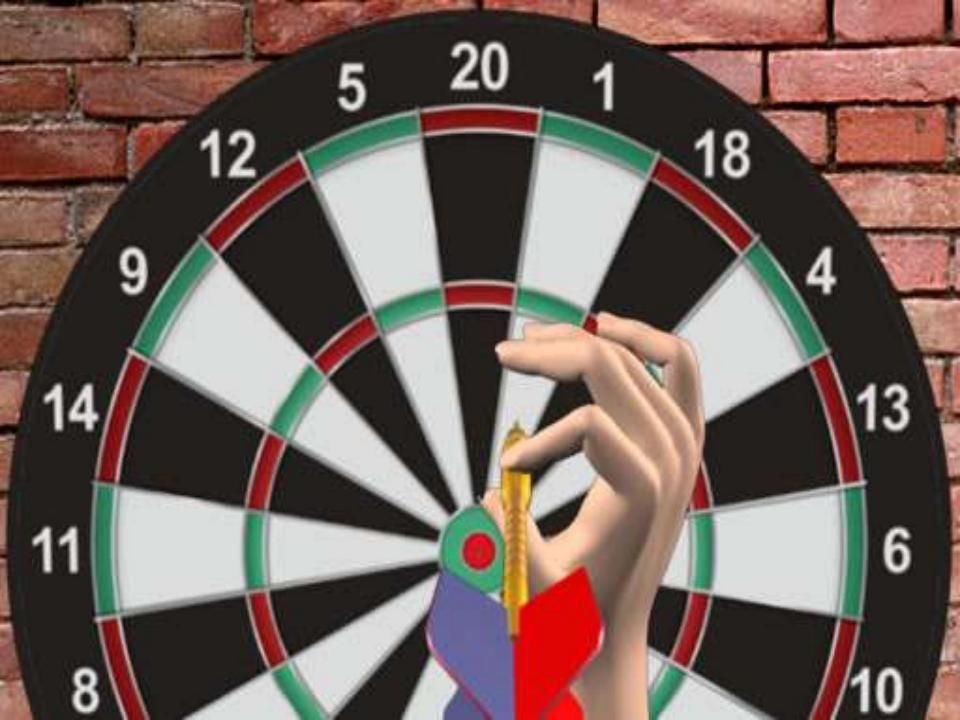
Precision Darts More: 501 Target Throws
Game Introduction Step up to the oche and lock in your aim for nonstop darts thrills! Go head-to-head with a friend in the iconic 501 darts showdown, or push your precision to the absolute limit with the high-octane 9-dart challenge. Battle it out one-on-one with a buddy for ultimate bragging rights, or compete on the global stage in world tournaments against sharp, crafty AI opponents of all skill levels. Whether you’re a seasoned darts pro with a flawless bullseye streak or a brand-new player just mastering your throw, every round is your chance to line up the perfect shot and claim the win! Game Features 1. Classic 501 darts core gameplay with double-out rules, balancing throwing precision and scoring strategy 2. Diverse dart challenge modes, including the thrilling 9-dart finish, unlocking more fun dart showdown formats 3. Versatile real-time battle experience, supporting 1v1 duels with friends, global tournaments and competitions against intelligent AI opponents 4. Newbie-friendly and easy to pick up, while veteran players can polish their throwing skills to advance, offering competitive fun for all skill levels 5. Realistic physics throwing feedback, recreated dart flight trajectories and bullseye hit feel for an immersive experience 6. Play anytime with no entry barriers, no complicated operations, and easily enjoy the tension and excitement of dart sports Gameplay and Controls 1. Swipe the screen to adjust your aiming angle and target the bullseye or desired score zone. 2. Tap the screen to throw; the system automatically calculates scores and subtracts from your total. 3. Finish on a double zone and accurately reduce your total score to zero to claim victory. Game Guide This guide is suitable for players of all skill levels, focusing on the core gameplay of 501 and tips for various modes. It helps you get started quickly and improve your winning rate, balancing operational simplicity and strategy, and fully aligns with the game's real physical feedback and combat mechanics. Key Points for Beginners: Prioritize mastering basic operations and stable scoring logic. When swiping the screen to adjust your aiming angle, avoid the edge areas of the dartboard and focus on the 20-point single or double zone first. Keep your hand speed steady when tapping to throw, and use the game's real physical trajectory feedback to gradually find your rhythm. There's no need to pursue high-multiplier zones; first ensure stable scoring per round and avoid missed darts or busts — remember the core rule: you need to finish on a double zone and reduce your total score to zero to win. Beginners can practice the double 20 and double 16 zones first, as these two zones have a higher fault tolerance, and even if you miss, you'll be left with even points that are easy to finish with. Core Strategy for 501: Reasonably plan your scoring and finishing rhythm. In the early stage, you can aim for the 20-point triple zone to speed up score reduction and narrow the total score gap efficiently, but you need to reserve a reasonable finishing score. Prioritize keeping the total score within 100 points and ensure the remaining score is even to facilitate finishing with a double zone hit. For example, when you have 50 points left, you can choose a single 10-point + double 20-point; when you have 68 points left, prioritize aiming for a single 18-point + double 25-point to avoid getting stuck with a score that can't be finished on a double zone. Tips for Adapting to Multiple Modes: The 9-dart challenge requires extreme precision. Prioritize locking in the 20-point triple zone, strive for maximum scoring per round, and reserve finishing space at the same time, avoiding blindly rushing for the bullseye. In 1v1 duels with friends and AI competitions, adjust your strategy flexibly. When facing strong opponents, you can adopt a defensive playstyle, prioritizing disrupting the opponent's finishing rhythm rather than simply pursuing high scores. Advanced and Pitfall-Avoidance Points: Veteran players can refine their triple zone hit rate to improve score reduction efficiency, and at the same time remember common finishing score combinations to reduce the thinking time before throwing and maintain the game rhythm. Key points to avoid pitfalls: Do not blindly pursue the bullseye; the bullseye has a small area and low fault tolerance, so there's no need to aim for it in non-finishing stages; avoid throwing blindly without calculating the score to prevent busts and wasted rounds; you can use the practice mode daily to familiarize yourself with the scores of each zone and improve aiming stability. Summary: The core of the game lies in "precision + strategy". Beginners should play steadily to practice their rhythm, while veterans should optimize their rhythm to improve efficiency. Master the double zone finishing skills proficiently, balance scoring speed and fault tolerance, and you can win stably in various modes and easily enjoy the fun of dart competitions.

Epic Cricket Cup: World Championship Game Play
Game Introduction Lace up for cricket’s biggest stage and compete for the sport’s most coveted trophy in this dynamic World Cup simulation! Steer your national cricket team through nail-biting matches against the globe’s top squads, craft sharp, opponent-specific strategies to outplay rivals, and feel the unbeatable rush of high-stakes cricket action with every over bowled and every run scored. This authentic take on the World Cup masterfully brings the thrill of international cricket to life, putting your tactical smarts and on-field decision-making to the test at every turn. Every play counts, every strategy defines your fate—outthink, outplay, and lead your nation to cricket immortality as you claim the ultimate World Cup glory. Game Features 1. Choose from all official World Cup national teams, build your exclusive squad at will, and take on the world's top cricket teams in the quest for the championship trophy. 2. Immersive stadium recreation paired with realistic match sound effects, recreating the professional competitive atmosphere and tournament experience of the World Cup level. 3. Highly flexible tactical customization – adjust your lineup and formation for different opponents, and control the game rhythm with on-the-spot decisions. 4. Realistic cricket physics engine that restores professional batting, bowling and fielding movements, fully complying with official tournament rules. 5. Rich World Cup-exclusive game modes, including multi-innings duels and progressive knockout stages, to unlock a variety of competitive challenges. 6. Streamlined control design with intuitive batting and bowling mechanics, allowing new players to quickly pick up and enjoy the thrill of competition. Gameplay and Controls 1. Batting: Aim the direction, time your hit perfectly to strike the ball and run for runs. 2. Bowling: Adjust the delivery position and power, then release to bowl. 3. Fielding: Drag fielders to the target position to intercept the ball and prevent runs. 4. Game Start: Select your team, determine the batting order, and begin the match. Game Guide This guide focuses on the core gameplay and practical skills of the game, catering to both new players and those looking to improve. It helps players quickly grasp the rhythm of the tournament and lead their national team to win the World Cup. The content is fully aligned with the core features of the game, concise and practical, highlighting key points to help players efficiently improve their competitive ability and easily cope with various tournament challenges. Preparation is the foundation of victory. The game offers all official World Cup national teams. New players are advised to prioritize teams with balanced strength, focus on selecting core players good at batting and bowling, and reasonably determine the batting order. Avoid blindly choosing star players while ignoring lineup adaptability. Before the game, you can briefly familiarize yourself with the players' skills and initially plan tactics according to the opponent's characteristics to lay the foundation for the subsequent game. Precise control of core operations is the key to scoring and defending. When batting, aim at the direction of the ball, time your hit perfectly to swing, prioritize steady batting methods to accumulate runs, and avoid blind force that leads to mistakes. After getting familiar with the rhythm, you can try flexible batting angles to improve scoring efficiency. When bowling, adjust the bowling position and power according to the opponent's batting habits, flexibly switch bowling types, and put pressure on the opponent through accurate bowling to create out opportunities. When fielding, quickly drag fielders to key positions, focus on intercepting boundary balls and potential running routes, and make timely substitutions to reduce the opponent's scoring space. Practical tactics are the core of winning. During the game, you need to flexibly adjust your tactics. Facing a lineup with strong batsmen, focus on defensive layout, shrink the defense line and strengthen interception; facing a team with weak bowlers, you can take the initiative to attack and speed up the scoring rhythm. In multi-innings duels, reasonably allocate physical strength and offensive intensity, start steadily to build an advantage, control the game flexibly in the middle, and adjust tactics decisively according to the score gap in the later stage—either sprint for runs with all your strength or consolidate defense to lock in the victory. Advanced Tips: New players can first familiarize themselves with operations and tactics through basic tournaments, and gradually unlock advanced challenges; pay attention to team cooperation and avoid over-reliance on core players alone; adjust tactics according to real-time game situations and do not stick to fixed plans. Mastering the above skills will allow you to steadily improve your competitive level and successfully lead your national team to the top of the World Cup.
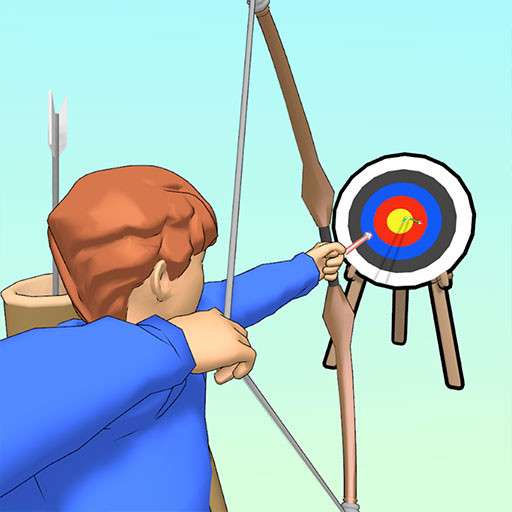
Elite Bow Arena Masters: Epic Archery Battle Duels
Game Introduction Step into the arena and rise as a master of the bow in Bow Masters Arena! Put your archery prowess to the test as you prove your precision, strategic thinking and lightning-fast reflexes in heart-pounding archery duels. Hone your aim and nail your timing first in practice mode, building the perfect foundation for every battle. Then step up to the challenge of thrilling AI tournaments, facing off against sharp, competitive opponents that push your skills to the limit at every turn. As you battle and progress, unlock mighty bows and game-changing upgrades to amp up your accuracy and shooting power. Climb the ranks, outshoot the competition, and claim your title as the undisputed archery champion of the arena! Game Features 1. Progressive archery skill training: Polish your archery skills step by step from basic aiming to precise timing control, and upgrade your archery level steadily. 2. Rich bow development system: Unlock a variety of powerful bows and match them with attribute upgrades to continuously enhance shooting accuracy and launch power. 3. Immersive archery operation experience: Focus on hand-eye coordination and launch timing control to restore the real operational pleasure of drawing a bow and shooting arrows. 4. Diverse and fun level challenges: Take on archery targets of varying difficulties, unlock new content by clearing levels, and experience the sense of accomplishment from breaking through challenges step by step. 5. Lightweight and casual gameplay: No complicated rules and a low entry barrier, start archery practice anytime, and enjoy the game even in fragmented time. Gameplay and Controls 1. Drag the screen to adjust aiming angle for different targets and shooting distances 2. Long press the screen to control bow-drawing power, release to shoot an arrow 3. Tap to switch and equip new bows unlocked by clearing levels 4. Select a bow and tap the upgrade button to boost shooting attributes Game Guide This guide focuses on the core gameplay of the game, helping players get started quickly, steadily improve their archery skills, efficiently unlock content and break through level challenges. It caters to both beginners and advanced players, fully aligning with the game’s lightweight and operation-focused features, assisting everyone in easily mastering archery skills and unlocking all the fun. Entry Core: Master the basic operations and lay a solid foundation for archery. The game’s operations are simple and easy to understand, with the core lying in the precise coordination of aiming angle and bow-drawing power. Drag the screen to freely adjust the aiming direction to cope with targets at different positions and distances; long press the screen to control the bow-drawing power—the longer the press, the farther the arrow’s range and the greater its power, and release to shoot. For beginners, it is recommended to focus on practicing short-distance targets initially, familiarize yourself with the 1-2 second long press strength, find the aiming feel, and avoid missing the target due to excessive or insufficient strength. Once the hit rate is stable, gradually try medium and long-distance targets. Archery Improvement: Master skills for steady progress. The key to improving archery lies in aiming accuracy and timing control—there’s no need to pursue speed; the focus is on "steadiness" and "accuracy". For short-distance targets, you can aim directly at the bullseye and shoot with a 1-2 second long press; for medium and long-distance targets, you need to appropriately raise the aiming angle, predict the arrow’s parabolic trajectory to avoid missing the target due to gravity, and extend the long press time to ensure sufficient range. Daily, you can use the progressive practice mode to gradually transition from basic aiming to precise timing control, develop muscle memory for hand-eye coordination, and improve shooting stability. Bow Development: Reasonably unlock and upgrade to enhance combat power. Bows are the core of improving level-clearing efficiency, and multiple bows with different attributes can be unlocked as you progress through levels. For development priority, it is recommended to first unlock bows with high accuracy—accuracy is more important than power in the early stage, which can effectively improve the hit rate; after unlocking, prioritize upgrading accuracy attributes, then gradually enhance power to avoid resource waste due to blind upgrades. Every time you unlock a new bow, it is recommended to first familiarize yourself with its feel in practice mode, adapt to its strength and aiming characteristics, before using it in level challenges. Level-Clearing Skills: Progress step by step for efficient breakthroughs. Level clearing should follow the principle of "from easy to difficult"—first complete low-difficulty targets to accumulate experience, unlock bows and upgrade resources, then challenge high-difficulty levels. When encountering complex targets, do not rush to shoot; first adjust the aiming angle, stabilize your fingers, control the long press strength, and avoid mistakes caused by impatience. You can start practice mode at any time during fragmented time to consolidate operational skills. With long-term persistence, you can steadily improve your archery skills, successfully unlock all game content, and enjoy the pure fun of archery.

Hoop School Basketball: Dynamic Court Drills
Game Introduction Step into the hoop action at Basketball School—your go-to spot for epic arcade basketball fun! Put your shooting prowess to the test across three thrilling game modes, each with its own epic challenge to conquer. In Arcade Mode, take 10 shots and sink as many baskets as you can, with the difficulty cranking up with every swish you nail. Race against the clock in Time Attack Mode: unlimited balls mean nonstop shooting, and your only goal is to rack up the most baskets before time’s up. For the ultimate precision test, dive into Distance Mode—every basket you make sends the hoop farther away, pushing your shooting power and aim to the limit. Grab the ball, line up your shot, and see just how high you can blast your score! Game Features 1. Three distinctive shooting modes with arcade, time attack and distance gameplay, each offering unique challenges to meet different gaming needs 2. Dynamically increasing difficulty that rises with your shooting performance, pushing you to constantly break your shooting limits 3. Classic arcade basketball experience with light and casual gameplay, perfect for quick sessions in fragmented time 4. Simple and easy-to-master controls with no complicated rule barriers, allowing new players to grasp shooting skills quickly 5. Real-time shooting feedback for an ultra-satisfying scoring experience, delivering an immersive fingertip shooting feel 6. High-score competitive challenges where you can continuously refresh your score records and unlock a sense of accomplishment in shooting gameplay Gameplay and Controls 1. Drag the screen to adjust your shooting direction and power 2. Release your finger to take the shot 3. Works for all modes – no complex controls, easy to pick up and play Game Guide As a lightweight and casual arcade basketball game, Basketball School’s core fun lies in precise shooting and high-score breakthroughs. Master the skills of the three modes plus a stable touch, and you can easily refresh your records. This guide focuses on practical operations and mode adaptation, being concise and easy to understand for beginners to quickly get started and efficiently unlock the sense of accomplishment in the game. The core of general operations is "stability and accuracy". No complicated operations are needed—just remember two points: Drag the screen to adjust your shooting direction and power; the larger the drag range, the stronger the shooting power. Aim at the center of the hoop or slightly forward to avoid large deviations. Release your finger to take the shot, and be decisive when shooting without hesitation. Developing a fixed rhythm can greatly improve the hit rate, which is the foundation for high scores in all modes. The key to Arcade Mode is to "prioritize hit rate and control difficulty". This mode has 10 balls in total, and the difficulty will dynamically increase with each successful shot, and the hoop may shift slightly. In the early stage, there’s no need to pursue speed—aim steadily at the center of the hoop and prioritize hitting each ball to accumulate basic scores. When the difficulty increases in the later stage, slow down appropriately and fine-tune the drag direction to avoid consecutive mistakes caused by hasty shooting, and make the most of the 10 shooting opportunities. The core of Time Attack Mode is to "improve efficiency and maintain rhythm". This mode has unlimited balls but limited time, and the key to high scores lies in quick shooting rather than perfect hits. Master a consistent rhythm, drag quickly and shoot decisively without over-aiming—even if you make an occasional mistake, don’t pause. You can use the shooting feedback to quickly adjust the power, avoid insufficient or excessive power, win by quantity, and maximize the number of baskets per unit time. The key to Distance Mode is to "adjust power and find compensation". Each successful shot moves the hoop one step back, testing your precision and power control. In the initial stage, use moderate power and aim directly at the center of the hoop. As the distance increases, gradually increase the drag range and aim slightly forward of the hoop to compensate for the deviation caused by distance. Prioritize shooting stability before trying to increase speed, and avoid consecutive misses due to power out of control. High-score tips: Practice more in fragmented time to familiarize yourself with power control at different distances and develop muscle memory. In any mode, avoid continuously adjusting the rhythm—maintaining a fixed shooting speed can effectively improve the hit rate. Don’t panic when you make a mistake; fine-tune the direction and power in time to quickly regain your touch. Master the above skills, and you can easily break through your limits and unlock the full competitive fun of the game.
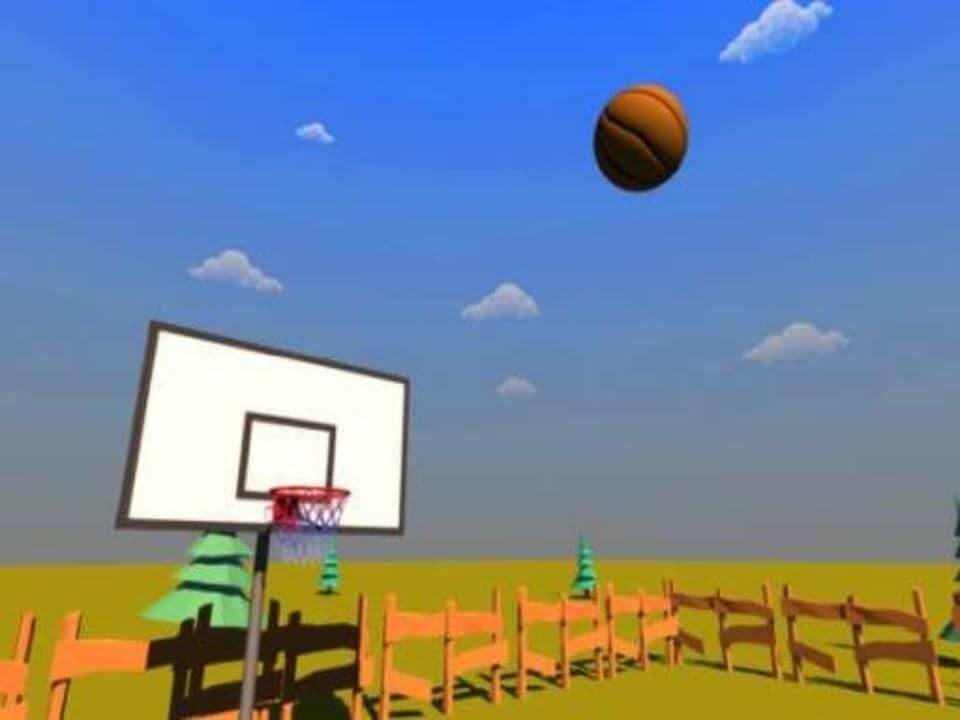
Hoop School Basketball: Dynamic Court Drills
Game Introduction Step into the hoop action at Basketball School—your go-to spot for epic arcade basketball fun! Put your shooting prowess to the test across three thrilling game modes, each with its own epic challenge to conquer. In Arcade Mode, take 10 shots and sink as many baskets as you can, with the difficulty cranking up with every swish you nail. Race against the clock in Time Attack Mode: unlimited balls mean nonstop shooting, and your only goal is to rack up the most baskets before time’s up. For the ultimate precision test, dive into Distance Mode—every basket you make sends the hoop farther away, pushing your shooting power and aim to the limit. Grab the ball, line up your shot, and see just how high you can blast your score! Game Features 1. Three distinctive shooting modes with arcade, time attack and distance gameplay, each offering unique challenges to meet different gaming needs2. Dynamically increasing difficulty that rises with your shooting performance, pushing you to constantly break your shooting limits3. Classic arcade basketball experience with light and casual gameplay, perfect for quick sessions in fragmented time4. Simple and easy-to-master controls with no complicated rule barriers, allowing new players to grasp shooting skills quickly5. Real-time shooting feedback for an ultra-satisfying scoring experience, delivering an immersive fingertip shooting feel6. High-score competitive challenges where you can continuously refresh your score records and unlock a sense of accomplishment in shooting gameplay Gameplay and Controls 1. Drag the screen to adjust your shooting direction and power2. Release your finger to take the shot3. Works for all modes – no complex controls, easy to pick up and play Game Guide As a lightweight and casual arcade basketball game, Basketball School’s core fun lies in precise shooting and high-score breakthroughs. Master the skills of the three modes plus a stable touch, and you can easily refresh your records. This guide focuses on practical operations and mode adaptation, being concise and easy to understand for beginners to quickly get started and efficiently unlock the sense of accomplishment in the game. The core of general operations is "stability and accuracy". No complicated operations are needed—just remember two points: Drag the screen to adjust your shooting direction and power; the larger the drag range, the stronger the shooting power. Aim at the center of the hoop or slightly forward to avoid large deviations. Release your finger to take the shot, and be decisive when shooting without hesitation. Developing a fixed rhythm can greatly improve the hit rate, which is the foundation for high scores in all modes. The key to Arcade Mode is to "prioritize hit rate and control difficulty". This mode has 10 balls in total, and the difficulty will dynamically increase with each successful shot, and the hoop may shift slightly. In the early stage, there’s no need to pursue speed—aim steadily at the center of the hoop and prioritize hitting each ball to accumulate basic scores. When the difficulty increases in the later stage, slow down appropriately and fine-tune the drag direction to avoid consecutive mistakes caused by hasty shooting, and make the most of the 10 shooting opportunities. The core of Time Attack Mode is to "improve efficiency and maintain rhythm". This mode has unlimited balls but limited time, and the key to high scores lies in quick shooting rather than perfect hits. Master a consistent rhythm, drag quickly and shoot decisively without over-aiming—even if you make an occasional mistake, don’t pause. You can use the shooting feedback to quickly adjust the power, avoid insufficient or excessive power, win by quantity, and maximize the number of baskets per unit time. The key to Distance Mode is to "adjust power and find compensation". Each successful shot moves the hoop one step back, testing your precision and power control. In the initial stage, use moderate power and aim directly at the center of the hoop. As the distance increases, gradually increase the drag range and aim slightly forward of the hoop to compensate for the deviation caused by distance. Prioritize shooting stability before trying to increase speed, and avoid consecutive misses due to power out of control. High-score tips: Practice more in fragmented time to familiarize yourself with power control at different distances and develop muscle memory. In any mode, avoid continuously adjusting the rhythm—maintaining a fixed shooting speed can effectively improve the hit rate. Don’t panic when you make a mistake; fine-tune the direction and power in time to quickly regain your touch. Master the above skills, and you can easily break through your limits and unlock the full competitive fun of the game.

Homerun Baseball Star : Epic Diamond Showdowns
Game Introduction Step up to the plate with Baseball Star, the ultimate casual baseball sports game packed with nonstop excitement and pure gameplay joy! Step onto the diamond as a budding baseball talent, take a powerful swing with your bat, and nail the perfect hit every time you step up to bat. Super easy to learn and jump into for quick fun, and as you level up, fresh, thrilling challenges will keep the game feeling exciting and keep you coming back for more! Game Features 1. Easy to pick up and play: Intuitive bat-swinging controls, no need to master complex baseball rules, new players can dive right into the on-field fun2. Immersive baseball experience: Authentic hitting thrills on a realistic field, feel the excitement and joy of baseball competition to the fullest3. Progressive fun challenges: Difficulty ramps up as you progress, with varied pitching rhythms testing your reflexes for ever-increasing excitement4. Perfect for casual play: Tailored for spare moments, start and pause the game anytime, and enjoy the fun of baseball in a relaxed way Gameplay and Controls 1. Observe the pitching rhythm and tap/swipe the screen to swing and hit the ball precisely.2. When pitching, select the pitch type, adjust the ball position, and tap to throw.3. Optional auto-play mode to easily progress through games at your convenience. Game Guide As a casual and easy-to-play baseball game, the core fun of Baseball Star lies in accurately grasping the rhythm of swinging and pitching, and gradually breaking through difficult challenges. This guide focuses on getting started for beginners and improving for advanced players, using simple tips to help you get started quickly, make steady progress, and easily enjoy the joy of baseball competition, fully fitting the game's characteristics of casual adaptation and no complex rules. Core for Beginners: Master Basic Operations and Adapt to the Rhythm Quickly. The game has extremely simple operations; there is no need to delve into complex baseball rules, so beginners can get started quickly. When hitting, focus on observing the pitching trajectory and rhythm. Tap or swipe the screen to swing accurately 1-2 seconds after the ball approaches the home plate. Avoid exerting force too early or too late. In the initial stage, aim to "hit the ball stably" rather than blindly pursuing long hits. When pitching, select the appropriate pitch type as needed, adjust the ball landing position, and tap the screen to complete the pitch. Prioritize familiarizing yourself with 1-2 basic pitch types to improve pitching accuracy. Advanced Hitting Skills: Flexibly Respond to Changing Rhythms and Improve Hit Rate. As the game progresses, the pitching rhythm will gradually become variable. You can adopt the "two-strike strategy": when in a two-strike situation, slow down the rhythm, tighten your movements, focus on hitting the ball into the field, and avoid swing mistakes caused by impatience. At the same time, observe the opponent's pitching rules, predict changes in the ball path, and adjust the swing timing accordingly. For fast balls, you can slightly charge in advance; for slow balls, delay the swing appropriately to gradually improve the hit rate. Pitching and Challenge Skills: Precisely Control the Game and Make Steady Breakthroughs. When pitching, you need to flexibly match pitch types to avoid the opponent figuring out a single ball path. You can alternate between basic pitches and changeups, adjust the landing position to avoid the opponent's comfortable hitting area, and increase the difficulty of the opponent's swing. Faced with progressively upgraded challenges, do not rush for quick results. Every time you increase a difficulty level, spend a little time adapting to the new pitching rhythm first. You can practice basic operations repeatedly in your spare time to accumulate feel and gradually break through your own limits. Casual Adaptation Skills: Make Good Use of Modes for Relaxed Gameplay. The game is suitable for spare time; you can start and pause the game at any time without long-term investment. If you feel tired of operating, you can turn on the auto-play mode to easily advance the game process while maintaining your feel. The focus of daily practice is on grasping the rhythm of swinging and pitching. There is no need to pursue perfection; improve your skills step by step. You can not only enjoy the fun of the game but also steadily break through the challenge levels. Overall, the key to this game lies in "rhythm" and "patience". There is no need for complex operations and strategies. Master basic skills proficiently and flexibly respond to rhythm changes, and you can grow gradually in casual gameplay and easily unlock all the fun of the game.

Fairway Golf 3D : Epic Adventure
Game Introduction Step into the ultimate 3D golf experience with Golf Adventure, a charming mini-golf game perfect for players of all ages! Dive into vibrant, immersive 3D courses where every shot counts—line up your aim, tweak your swing power just right, and send the ball sailing straight for the hole. Navigate cleverly crafted obstacles like tricky water hazards and strategic walls that’ll put your mini-golf skills to the test. Map out each move with care to keep your strokes low and claim victory over every fun-filled challenge. Easy to pick up and endlessly fun to perfect, your next great 3D golf journey begins here! Game Features 1. Immersive and vibrant 3D courses with exquisitely detailed mini-golf scenes for a rich visual experience2. Fun strategic obstacle challenges, with cleverly designed water hazards, walls and more testing your shot planning; rational layout is needed to minimize strokes3. Ultra-simple intuitive controls – just aim your shot and adjust swing power to make a hit effortlessly4. Age-friendly and accessible for all, easy for beginners to master the gameplay, and you can start your golf adventure anytime for casual fun5. Casual gameplay with light strategy, balancing shot skills and route planning for a fun and challenging level-clearing experience Gameplay and Controls 1. Aim: Drag to adjust direction and line up with the hole2. Adjust power: Slide to set swing strength and control shot distance3. Hit the ball: Tap to strike after confirming settings and sink the ball4. Avoid obstacles: Steer clear of water hazards and walls, plan your route wisely to minimize strokes Game Guide As an age-friendly casual mini-golf game, 3D Golf Adventure’s core gameplay is to get the ball into the hole in the fewest strokes through precise operations and reasonable planning, and unlock various colorful 3D courses. Combining the game’s operations and scene characteristics, this guide helps beginners get started quickly and pass levels easily from entry to advanced, balancing fun and practicality to help you start a smooth golf adventure. Basic Getting Started: Master the core of operations accurately. The game’s operations are extremely simple, with the core lying in three steps: "Aim - Adjust Power - Hit the Ball". Before hitting, drag the screen to adjust the direction; there’s no need to aim directly at the hole. You can leave a small deviation according to the distance and obstacles to avoid missing the chance to score due to route deviation. Power adjustment should be gradual: a light slide on the screen is enough for short-distance shots, and you can gradually increase the power for long-distance shots. It is recommended that beginners first hit with small force, get familiar with the ball’s rolling trajectory, and then exert force accurately to reduce the chance of the ball going out of bounds or falling into the water due to excessive force. Obstacle Response: Skillfully avoid traps to pass levels efficiently. Water hazards and walls on the course are the main challenges and the key factors affecting the number of strokes. When encountering water hazards, prioritize choosing a flat route to bypass them, and avoid hitting the ball near the water hazards. If you have to pass at a short distance, you can reduce the force to ensure the ball rolls smoothly; when facing wall obstacles, you can cleverly use the rebound force, adjust the aiming angle, and let the ball slightly rebound along the wall towards the hole. Never hit the ball blindly, which will cause the ball to hit the wall repeatedly and increase the number of strokes. Be sure to observe the entire course before hitting, mark the positions of obstacles, and plan the optimal route. Advanced Strategies: Tips for clearing levels with fewer strokes. Beginners can start with simple courses, practice aiming and power control repeatedly, cultivate a sense of feel and prediction ability, and lay the foundation for high-difficulty levels. Every hit needs to be carefully calculated to avoid unnecessary shots, and try to pursue "one hit in place" to reduce the accumulation of strokes. At the same time, take into account light strategic layout, predict the ball’s rolling trajectory before hitting, avoid potential traps, make rational use of the course terrain, and gradually improve the level-clearing efficiency. Summary: The game balances casualness and light strategy. It does not require complex operations, but needs patience and carefulness. As long as beginners master the core operations, skillfully deal with various obstacles, practice more and observe more, they can quickly improve their skills and unlock more wonderful courses. Remember, accurate aiming, reasonable power control and scientific planning are the keys to clearing levels with fewer strokes. Come and start your 3D golf adventure!

Boom Pop Bear: Cute Blast Frenzy
Game Introduction Welcome to Boom Bear – the sweetest FREE match-3 puzzle game around! Link adorable jellies across every fun level for a deliciously charming puzzle experience that’s sure to delight. Filled with cozy bear fun and explosive jelly magic, it’s the perfect sweet treat for anyone craving a casual, joyful escape. Dive into this extremely yummy adventure and start collecting jellies today! Game Features Free to Play Without Burden – Unlock all fun content without paying, easily start your match-3 adventure, and suit all types of players for casual enjoyment. Cute and Healing Art Style – Adorable bears paired with bouncy jelly elements, bright and soft colors, bringing a fresh and comfortable visual experience with a sweet atmosphere. Stress-Relieving Casual Gameplay – Simple and easy to learn, no complex strategies needed. Match casually to gain elimination pleasure and relieve daily fatigue. Fun Explosive Effects – Combined with jelly elimination scenes, each match provides a surprising feedback, making leisure time more interesting and immersive. Gameplay and Controls Match 3 or more adjacent identical jellies to clear them. Match 7 or more jellies to unlock special explosive jellies. Complete level goals before using up all moves. Use simple strategies to make power-ups and win. Game Guide As a casual and healing free match-3 game, Bear Boom has simple and easy-to-learn core gameplay. However, to clear levels efficiently and unlock all stages effortlessly, you need to master basic skills and practical strategies. This guide focuses on jelly matching, the use of special items, and move management, allowing new players to get started quickly and easily break through level bottlenecks, balancing fun and practicality. Basic operations are the core of clearing levels, and accurate matching is the key. The core rule of the game is to match 3 or more adjacent identical jellies to eliminate them. New players must remember "don’t eliminate blindly; observe first, then act". At the start of the game, first scan the entire screen to find matching points that can trigger chain reactions. Prioritize eliminating jellies at the bottom; use the gravitational effect of falling jellies to drive the reorganization of jellies above, which is likely to trigger secondary elimination, saving moves while improving scoring efficiency. Avoid scattered single eliminations; try to gather 4 or more adjacent jellies to lay the foundation for unlocking special explosive jellies. Special explosive jellies are a powerful tool for breaking through difficult situations, and rational use can get twice the result with half the effort. Matching 7 or more adjacent jellies unlocks special explosive jellies, which can clear a large area of surrounding jellies, easily breaking through dense layouts or obstacle areas. When using them, grasp the timing: prioritize releasing them in areas with dense jellies and many obstacles, or save them for the later stage of the level to sprint toward completing goals and clearing remaining jellies. Never waste them prematurely; especially in levels with tight moves, one explosive jelly can often turn the tide. Move management is the key to clearing levels, and strategic layout is more important than quick elimination. Each level has a limited number of moves, so you need to plan your operations in advance, prioritize completing the core goals of the level, and avoid ineffective eliminations. If the level goal is to collect specific jellies, focus on matching around the target jellies and ignore irrelevant ones; if the goal is to score points, deliberately create chain eliminations and special jellies to increase the score multiplier. When there are 5 or fewer moves left, if you haven’t completed the goal, prioritize using unlocked explosive jellies to avoid wasting moves on scattered operations. Mastering pitfalls-avoiding tips can improve the efficiency of clearing levels: avoid blindly pursuing special jellies; if it’s difficult to gather 7, focusing on basic chain eliminations is more reliable; when stuck on a level, you can retry it repeatedly, because the jelly layout of each level is random, and you are likely to encounter a layout that is easier to clear; there’s no need to rely on items—with reasonable layout and skills, you can clear levels easily, and save items for high-difficulty levels. Overall, the core of clearing Bear Boom lies in "observation, strategy, and skillful use of treasures". No complex operations are needed; just balance moves and goals, and rationally use special explosive jellies, and you can easily enjoy the fun of elimination and quickly unlock all interesting levels.
