




















Game News

Fairway Golf 3D : Epic Adventure
Game Introduction Step into the ultimate 3D golf experience with Golf Adventure, a charming mini-golf game perfect for players of all ages! Dive into vibrant, immersive 3D courses where every shot counts—line up your aim, tweak your swing power just right, and send the ball sailing straight for the hole. Navigate cleverly crafted obstacles like tricky water hazards and strategic walls that’ll put your mini-golf skills to the test. Map out each move with care to keep your strokes low and claim victory over every fun-filled challenge. Easy to pick up and endlessly fun to perfect, your next great 3D golf journey begins here! Game Features 1. Immersive and vibrant 3D courses with exquisitely detailed mini-golf scenes for a rich visual experience2. Fun strategic obstacle challenges, with cleverly designed water hazards, walls and more testing your shot planning; rational layout is needed to minimize strokes3. Ultra-simple intuitive controls – just aim your shot and adjust swing power to make a hit effortlessly4. Age-friendly and accessible for all, easy for beginners to master the gameplay, and you can start your golf adventure anytime for casual fun5. Casual gameplay with light strategy, balancing shot skills and route planning for a fun and challenging level-clearing experience Gameplay and Controls 1. Aim: Drag to adjust direction and line up with the hole2. Adjust power: Slide to set swing strength and control shot distance3. Hit the ball: Tap to strike after confirming settings and sink the ball4. Avoid obstacles: Steer clear of water hazards and walls, plan your route wisely to minimize strokes Game Guide As an age-friendly casual mini-golf game, 3D Golf Adventure’s core gameplay is to get the ball into the hole in the fewest strokes through precise operations and reasonable planning, and unlock various colorful 3D courses. Combining the game’s operations and scene characteristics, this guide helps beginners get started quickly and pass levels easily from entry to advanced, balancing fun and practicality to help you start a smooth golf adventure. Basic Getting Started: Master the core of operations accurately. The game’s operations are extremely simple, with the core lying in three steps: "Aim - Adjust Power - Hit the Ball". Before hitting, drag the screen to adjust the direction; there’s no need to aim directly at the hole. You can leave a small deviation according to the distance and obstacles to avoid missing the chance to score due to route deviation. Power adjustment should be gradual: a light slide on the screen is enough for short-distance shots, and you can gradually increase the power for long-distance shots. It is recommended that beginners first hit with small force, get familiar with the ball’s rolling trajectory, and then exert force accurately to reduce the chance of the ball going out of bounds or falling into the water due to excessive force. Obstacle Response: Skillfully avoid traps to pass levels efficiently. Water hazards and walls on the course are the main challenges and the key factors affecting the number of strokes. When encountering water hazards, prioritize choosing a flat route to bypass them, and avoid hitting the ball near the water hazards. If you have to pass at a short distance, you can reduce the force to ensure the ball rolls smoothly; when facing wall obstacles, you can cleverly use the rebound force, adjust the aiming angle, and let the ball slightly rebound along the wall towards the hole. Never hit the ball blindly, which will cause the ball to hit the wall repeatedly and increase the number of strokes. Be sure to observe the entire course before hitting, mark the positions of obstacles, and plan the optimal route. Advanced Strategies: Tips for clearing levels with fewer strokes. Beginners can start with simple courses, practice aiming and power control repeatedly, cultivate a sense of feel and prediction ability, and lay the foundation for high-difficulty levels. Every hit needs to be carefully calculated to avoid unnecessary shots, and try to pursue "one hit in place" to reduce the accumulation of strokes. At the same time, take into account light strategic layout, predict the ball’s rolling trajectory before hitting, avoid potential traps, make rational use of the course terrain, and gradually improve the level-clearing efficiency. Summary: The game balances casualness and light strategy. It does not require complex operations, but needs patience and carefulness. As long as beginners master the core operations, skillfully deal with various obstacles, practice more and observe more, they can quickly improve their skills and unlock more wonderful courses. Remember, accurate aiming, reasonable power control and scientific planning are the keys to clearing levels with fewer strokes. Come and start your 3D golf adventure!

Boom Pop Bear: Cute Blast Frenzy
Game Introduction Welcome to Boom Bear – the sweetest FREE match-3 puzzle game around! Link adorable jellies across every fun level for a deliciously charming puzzle experience that’s sure to delight. Filled with cozy bear fun and explosive jelly magic, it’s the perfect sweet treat for anyone craving a casual, joyful escape. Dive into this extremely yummy adventure and start collecting jellies today! Game Features Free to Play Without Burden – Unlock all fun content without paying, easily start your match-3 adventure, and suit all types of players for casual enjoyment. Cute and Healing Art Style – Adorable bears paired with bouncy jelly elements, bright and soft colors, bringing a fresh and comfortable visual experience with a sweet atmosphere. Stress-Relieving Casual Gameplay – Simple and easy to learn, no complex strategies needed. Match casually to gain elimination pleasure and relieve daily fatigue. Fun Explosive Effects – Combined with jelly elimination scenes, each match provides a surprising feedback, making leisure time more interesting and immersive. Gameplay and Controls Match 3 or more adjacent identical jellies to clear them. Match 7 or more jellies to unlock special explosive jellies. Complete level goals before using up all moves. Use simple strategies to make power-ups and win. Game Guide As a casual and healing free match-3 game, Bear Boom has simple and easy-to-learn core gameplay. However, to clear levels efficiently and unlock all stages effortlessly, you need to master basic skills and practical strategies. This guide focuses on jelly matching, the use of special items, and move management, allowing new players to get started quickly and easily break through level bottlenecks, balancing fun and practicality. Basic operations are the core of clearing levels, and accurate matching is the key. The core rule of the game is to match 3 or more adjacent identical jellies to eliminate them. New players must remember "don’t eliminate blindly; observe first, then act". At the start of the game, first scan the entire screen to find matching points that can trigger chain reactions. Prioritize eliminating jellies at the bottom; use the gravitational effect of falling jellies to drive the reorganization of jellies above, which is likely to trigger secondary elimination, saving moves while improving scoring efficiency. Avoid scattered single eliminations; try to gather 4 or more adjacent jellies to lay the foundation for unlocking special explosive jellies. Special explosive jellies are a powerful tool for breaking through difficult situations, and rational use can get twice the result with half the effort. Matching 7 or more adjacent jellies unlocks special explosive jellies, which can clear a large area of surrounding jellies, easily breaking through dense layouts or obstacle areas. When using them, grasp the timing: prioritize releasing them in areas with dense jellies and many obstacles, or save them for the later stage of the level to sprint toward completing goals and clearing remaining jellies. Never waste them prematurely; especially in levels with tight moves, one explosive jelly can often turn the tide. Move management is the key to clearing levels, and strategic layout is more important than quick elimination. Each level has a limited number of moves, so you need to plan your operations in advance, prioritize completing the core goals of the level, and avoid ineffective eliminations. If the level goal is to collect specific jellies, focus on matching around the target jellies and ignore irrelevant ones; if the goal is to score points, deliberately create chain eliminations and special jellies to increase the score multiplier. When there are 5 or fewer moves left, if you haven’t completed the goal, prioritize using unlocked explosive jellies to avoid wasting moves on scattered operations. Mastering pitfalls-avoiding tips can improve the efficiency of clearing levels: avoid blindly pursuing special jellies; if it’s difficult to gather 7, focusing on basic chain eliminations is more reliable; when stuck on a level, you can retry it repeatedly, because the jelly layout of each level is random, and you are likely to encounter a layout that is easier to clear; there’s no need to rely on items—with reasonable layout and skills, you can clear levels easily, and save items for high-difficulty levels. Overall, the core of clearing Bear Boom lies in "observation, strategy, and skillful use of treasures". No complex operations are needed; just balance moves and goals, and rationally use special explosive jellies, and you can easily enjoy the fun of elimination and quickly unlock all interesting levels.

Flag Dash Runner: Colorful Endless Sprint
Game Introduction This is the fast-paced endless runner that puts your reflexes to the test! Dash through chaotic obstacle courses, grab flags to rack up points, and dodge every barrier that stands in your way. Race across three distinct worlds—bustling urban streets, untamed jungle paths, and high-tech futuristic highways—each packed with unique challenges. Unleash game-changing power-ups, unlock a roster of quirky characters, and battle for the highest score on the global leaderboards. Are you ready to sprint, slide, and soar to victory? Prove you’re the ultimate flag champion! Game Features Core Gameplay: Flag Collection-Driven Extreme Endless RunningCentered around the core goal of **flag collection**, combined with classic endless running mechanics like jumping, sliding and dodging. Each collected flag grants high score bonuses, fueling your non-stop running momentum.Track difficulty dynamically increases with the distance you cover, with obstacle density and types adjusted in real time. It suits casual players seeking short bursts of fun, while also satisfying hardcore gamers craving thrilling challenges. Diverse Themed Tracks: Randomly Generated Immersive ScenariosFeatures three distinct scene categories: neon-lit urban streets, lush jungle trails, and futuristic high-tech highways. Each scene boasts exclusive visual styles and customized obstacle designs.Powered by a random track generation system, the terrain undulations and obstacle layouts change with every playthrough. Say goodbye to tedious repetition and keep the sense of exploration fresh. Abundant Props & Unique Characters: Customized Endless Running Experience with Exclusive BonusesUnlock a variety of practical props: speed boosts, shield defenses, magnet absorption and more. These items help you break through tough spots in critical moments and greatly enhance the exhilaration of running.A roster of distinctively styled characters is available for unlocking. Every character not only has a unique appearance, but some also come with exclusive ability bonuses to create your personalized running identity. Fun Achievement System: Mission-Driven Long-Term GameplayBuilt-in rich achievement tasks and daily challenges. Complete them to earn generous rewards, which help unlock new characters and props, extending the game's lifespan. Smooth & Easy Controls: Endless Running Excitement for All PlayersAdopts a one-finger swipe control logic: swipe up to jump, swipe down to slide, and swipe left or right to steer. New players can pick it up quickly, while veteran players can achieve precise maneuvering.Boasts 3D high-definition graphics paired with smooth animations and dynamic sound effects. Clear feedback is provided for every action—running, jumping, and prop activation—amplifying the sense of speed and immersive experience. Gameplay and Controls One-finger swipe controlSwipe up to jumpSwipe down to slideSwipe left or right to steer Game Guide I. Basic Operations: Master Core Moves Skilfully The game uses one-finger swipe control, and core moves need to form muscle memory: swipe up to jump over obstacles such as roadblocks and low walls; swipe down to slide and avoid low obstacles and falling objects from the air; swipe left or right to turn on the track and avoid sudden side obstacles. For beginners, it is recommended to practice more in the low-difficulty stage, focusing on familiarizing yourself with the connection rhythm of "jump-slide" to avoid mistakes caused by operational delays. Remember that "proactive prediction is better than last-minute reaction" and reserve a 0.5-second operation buffer time. II. Core Skills: Flag Collection and Scoring Strategies Flags are the core of scoring. Each flag corresponds to a high score bonus, so prioritize collecting areas with dense flags. However, you need to pay attention to the "trade-off principle": if a flag is in a dense obstacle area, do not force collection to avoid game over due to distraction. The track difficulty increases with distance, and the obstacle density will dynamically increase. At this time, you should prioritize survival and focus on collecting flags when encountering open tracks. In addition, continuous flag collection can trigger a temporary score-doubling buff, so try to maintain collection continuity. III. Item Usage: Turn the Tide at Critical Moments Reasonable use of items can greatly enhance the running experience: Speed Boost is suitable for use on open futuristic highways and urban streets to quickly increase distance and efficiently collect scattered flags; Shield Defense can be activated on jungle trails with dense obstacles to resist one collision damage; Magnet Absorption is used with areas with dense flags, allowing automatic collection without precise movement and saving operational energy. You need to predict the timing of item use in advance to avoid wasting them in the final stage of the run. IV. Scene Response: Adapt to the Characteristics of Different Tracks Each of the three themed tracks has its own difficulties: on urban streets, pay attention to avoiding randomly appearing vehicles, observe the direction of vehicle travel in advance and turn; jungle trails are densely vegetated, so focus on hidden low obstacles in the grass and use sliding skills more; futuristic highways have high-speed moving mechanical obstacles, so you need to predict the trajectory in advance to avoid mistakes caused by frequent track switching. The track uses a random generation mechanism, so you need to stay focused and flexibly adjust the running rhythm every time you play. The key to beginners' advancement lies in more practice to gradually familiarize themselves with the law of obstacle generation and operational rhythm. Prioritize unlocking characters with ability bonuses (such as speed boost and shield extension), and match them with reasonable item use strategies to easily break through the high-score bottleneck and enjoy the speed and fun of endless running.
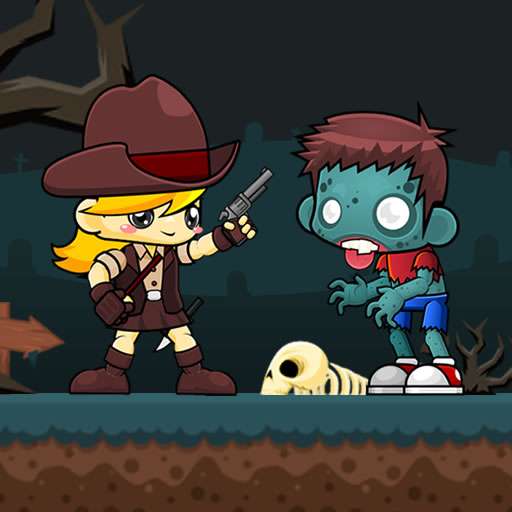
Tactical Zombie Defense: Apocalyptic Horde Showdown
Game Introduction The darkness of the apocalypse shrouds the world, and the ultimate defense battle is already underway! **Zombie Attack: Defense** plunges you into a desperate battlefield swarming with undead hordes with its dynamic 2D art style. There’s no turning back—only a fully upgraded arsenal and the resolve to survive stand between you and annihilation. From rapid-fire rifles to devastating explosive weapons, you will become humanity’s last line of defense. Every wave of attack brings a brand-new challenge: shambling regular zombies, darting speedy raiders, and towering mutant behemoths with unique resistances make up more than 20 enemy types, each deadlier than the last. You’ll need lightning-fast reflexes to land precise headshots, and sharp strategic thinking to turn the tide: lay down barbed wire barriers to slow the onslaught, deploy flamethrower turrets to create walls of fire, or even trigger map-wide oil tanker explosions to turn the environment into your weapon. Difficulty ramps up dynamically as you survive longer. Zombies will unlock fire-resistant and explosion-proof traits, forcing you to constantly upgrade your weapon tech tree and reinforce defensive fortifications if you want to hold your ground against the endless undead tide. With smooth one-handed controls and visually striking kill effects, you can dive into heart-pounding zombie-slaying action anytime, anywhere. The fate of humanity rests in your hands. It’s time to grab your weapons, erect an impenetrable doomsday fortress, and write your own legend of survival amid a hail of bullets! Game Features 1. Dual-Core Gameplay: Strategy & Action in Perfect SyncBlend tower defense setup with real-time shooting thrills—you’ll need to plan defensive fortifications to slow the undead tide and rely on lightning-fast reflexes for precise takedowns, striking a perfect balance between strategic depth and action-packed fun.Leverage environmental interaction tactics: Trigger oil tanker explosions, use terrain obstacles, and turn the battlefield into your weapon for unique, customized defense strategies every match. 2. Rich Content: Immersive Systems for Endless Engagement20+ distinct enemy types, ranging from shambling regular zombies and darting speedy raiders to high-resistance mutant behemoths—each with unique attack patterns and critical weaknesses to exploit.A full arsenal of weapons + modular defenses: Choose from rapid-fire rifles, explosive ordnance, flamethrowers, barbed wire, and more to build your ultimate, personalized defense loadout.Dynamic battlefield switching: Fight across urban ruins, desert outposts, and other distinct maps—terrain differences directly shape your defensive tactics and playstyle. 3. Progression System: Dynamic Difficulty & Rewarding Progression LoopDynamic difficulty scaling: The longer you survive, the tougher the zombies get—they’ll unlock advanced traits like fire resistance and explosion immunity, keeping every match a fresh challenge. A robust weapon tech tree and fortification upgrade system: Earn resources to boost fire rate, damage output, and defense durability, forging an impenetrable doomsday stronghold.Light roguelike elements: Unlock random buffs each run to mix and match weapon combinations, creating diverse combat builds and boosting the game’s replay value. 4. Smooth Mobile-Optimized ExperienceOptimized one-handed controls: Seamlessly aim, shoot, and switch weapons with a single tap—enjoy heart-pounding zombie-slaying action anytime, anywhere.Vibrant 2D cartoon art style paired with hard-hitting kill effects, plus immersive apocalyptic audio (zombie snarls, weapon blasts) to pull you right into the end-of-the-world chaos. Gameplay and Controls 1. Aim & Shoot: Swipe the screen to aim at zombies, then tap to shoot. Precise hits boost your horde-clearing efficiency.2. Deploy Defenses: Tap empty areas between waves to place defensive structures (barbed wire/flamethrowers) and slow the undead tide.3. Switch Weapons: Tap weapon icons on the screen to quickly switch between rifles, explosives, and more, adapting to different enemy types.4. Environmental Interaction: Tap map items like oil tankers to trigger area damage and wipe out zombie swarms. Game Guide The core of this 2D zombie defense game lies in "strategic layout + precise operation". To steadily clear levels, you need to grasp the rhythm of "steady start in the early stage, linked firepower in the mid-term, and adaptation in the late stage". Below are the key survival skills. Early Stage (Waves 1-8): Focus on basic defense and resource accumulation. At the start, prioritize unlocking the rifle and barbed wire. Choose narrow passages or corners that zombies must pass through for defense, and use 1-2 barbed wires to form the first line of obstruction. Use precise rifle shots to eliminate stragglers. Don't over-deploy during wave intervals; reserve resources to upgrade rifle fire rate. Prioritize eliminating regular zombies to avoid being surrounded. The core of this stage is "less is more"—don't blindly pile up defenses, and ensure there are remaining resources to deal with emergencies after each wave. Mid-Term (Waves 9-18): Strengthen firepower linkage and environmental utilization. After unlocking the flamethrower, combine it with barbed wire to form a "slowing + area damage" combo. Deploy the flamethrower behind the barbed wire to maximize the burning range. When encountering speedy zombies, quickly switch to the rifle for precise shooting; when facing a small number of mutants, decisively focus fire with explosive weapons. Remember the location of oil tankers on the map, and trigger area explosions when zombies are dense to clear the field instantly. At the same time, gradually upgrade the durability of defensive structures to avoid core defense lines being breached. Late Stage (After Wave 19): Adapt to dynamic difficulty and resource circulation. After zombies unlock fire-resistant and explosion-proof traits, prioritize upgrading armor-piercing damage in the weapon tech tree, reduce reliance on flamethrowers, and switch to a combo of high-damage rifles + explosive weapons. Utilize light roguelike random buffs, prioritizing gains such as "increased fire rate" and "area damage bonus" to form exclusive combat styles with different weapons. Repair damaged defenses in time during wave intervals; if necessary, "redistribute defenses from low-pressure areas to main routes". General Tips: Always maintain precise headshots to improve horde-clearing efficiency; reasonably allocate aiming and shooting rhythms when using one-handed controls to avoid chaos; reserve 1-2 explosive weapons to deal with sudden boss-level zombies. Follow the cycle logic of "obstruct - output - upgrade", and you can steadily increase your survival time in the endless zombie tide.

Power Hit: Epic Knock Down Mayhem
Game Introduction Ready to unlock the stress-relieving fun of fingertip throws? **Hit & Knock Down** is an insanely addictive casual game—simply swipe your screen to hurl baseballs and knock out all kinds of targets across countless levels. From wooden obstacles and stone ornaments to floating target discs, every level features a brand-new setup and fresh challenges. It puts your force control, precision judgment, reaction speed and throwing skills to the test all at once. The realistic physics engine makes the moment of target collision and collapse super satisfying, while crisp sound effects and smooth visual feedback crank up the stress-busting vibes to the max. The game offers multiple play modes including ball-limited and time-limited challenges. You can enjoy offline gameplay anytime, compete against friends in multiplayer matches, unlock stylish ball skins, and climb the global leaderboards. No complicated controls—just pick up and play. Whether you’re killing time on your commute or unwinding before bed, a quick 5-minute round is all it takes to blow off steam and make this game your go-to pocket source of joy. Game Features 1. Realistic Physics Engine for Immersive & Stress-Relieving Hit Feedback High-precision physics simulation accurately reproduces the dynamic trajectory of baseball throws, collisions, and knockdowns. Wood obstacles splinter and stone targets crumble with detailed visual feedback, paired with crisp impact sound effects. Every accurate hit delivers strong sensory satisfaction, making it the perfect stress-relief companion for fragmented downtime. 2. Diverse Level Layouts for Non-Stop Freshness Each level features unique scene setups and target combinations—ranging from fixed positions to moving discs, and from single-material stacks to mixed obstacle layouts—with progressively challenging gameplay logic. Differences in target materials directly affect collision outcomes, requiring you to flexibly adjust throwing force and angle to keep the exploration fun going. 3. Lightweight & On-the-Go Experience for Casual Play No tedious preparation required. Jump straight into throwing challenges with a single tap, play whenever you want and pause at any time. It fits seamlessly into all kinds of spare moments, whether you’re commuting, between classes, or unwinding before bed. 4. Easy to Learn, Hard to Master for All Ages Throw baseballs with simple screen swipes—no complicated buttons or rules, so new players can pick it up quickly and feel a sense of achievement right away. Meanwhile, the progressive difficulty curve lets advanced players test their limits with precise prediction and path planning, unlock hidden achievements, and dive into in-depth gameplay fun. 5. Customizable Looks to Create Your Unique Throwing Style Unlock a rich variety of ball skins and scene themes by completing level tasks to collect personalized appearances. Support for customizable game parameters, such as toggling the auxiliary line display, caters to the operational habits and aesthetic preferences of different players. Gameplay and Controls 1. Swipe the screen to adjust your aiming direction and throwing force 2. Release your finger to complete the throw 3. Clear the level once you hit all targets in the stage Game Guide As a throwing casual game that tests precision and strategy, the core goal of Hit & Knock Down is to knock down all targets with limited throws. Master the following tips to not only clear levels quickly but also easily aim for high scores and unlock more fun content. Optimizing basic operations is a prerequisite for clearing levels. When swiping the screen, adjust the sliding force according to the distance of the target: a light swipe is enough for close-range targets to avoid trajectory deviation caused by excessive force; for long-distance or highly stacked targets, increase the sliding amplitude to ensure the ball's range and impact. New players are advised to enable the auxiliary line function, which can intuitively display the throwing trajectory and help quickly find the correct aiming direction. The timing of releasing your finger is also crucial—try to release when the trajectory is stable to reduce the error rate. Targeted strategies are needed to tackle different levels. When facing stacked targets, prioritize aiming at the bottom support points. Utilize the chain reaction of the realistic physics engine to knock down the entire stack with one hit, saving throws. Targets of different materials need to be treated differently: wooden obstacles and cans are fragile and can be shattered with moderate force; stone targets are harder, so you need to aim at the center and increase the force to ensure a one-hit knockdown. If there are moving or floating targets in the level, predict the target's movement trajectory in advance and leave an appropriate lead distance to avoid missing the target by chasing it. The core of high-score skills lies in "precision + efficiency". Try to clear levels with the minimum number of throws, as remaining throws will be converted into extra points. When throwing, prioritize angles that can hit multiple targets at the same time, such as the center of target-dense areas, to trigger multi-target knockdown combos and greatly increase your score. When encountering mixed obstacle layouts, first clear small targets that block the view, then focus fire on large stacked targets to avoid obstructed vision affecting aiming precision. Advanced players can try replaying cleared levels to optimize throwing strategies and improve clearance efficiency to unlock hidden achievements. At the same time, personalized ball skins collected through level tasks do not affect performance but can enhance gaming immersion. Remember, observing the layout for 3 seconds and planning the throwing order before each level starts is far more efficient than acting blindly, allowing you to easily enjoy the stress-relieving fun of precise throwing.
Crazy Mole Whack 3D: Arcade Style Tap Frenzy
Game Introduction Whack a Mole WebGL is the ultimate pick-me-up arcade delight that puts your reflexes to the test! Watch as moles pop up randomly from their burrows—tap them fast to rack up points and feel the stress melt away. The fun ramps up as the game progresses: moles pop out quicker and more unpredictably, turning every round into a thrilling race against time. Whether you’re killing time or chasing a new high score, this fast-paced WebGL game delivers endless, satisfying fun. Game Features 1. Random Mole Spawn Mechanic to Test Your Reflexes to the Limit Moles pop up randomly from their holes with zero predictability. Every round is a brand-new challenge that sharpens your hand-eye coordination and quick-response skills. 2. Progressive Difficulty for Non-Stop Addictive Fun The higher your score climbs, the faster and more frequently moles will pop out. The challenge ramps up gradually, keeping you hooked as you chase your next high score. 3. Satisfying Hit Feedback for Ultimate Stress Relief Vibrant visual effects pair with crisp tapping sounds to make every mole whack deeply rewarding. It’s the perfect go-to for releasing stress and getting a quick sense of accomplishment. 4. Lightweight, Hassle-Free Entertainment No complicated rules, no pay-to-win traps—just pure arcade-style fun. Whether you’re a casual player looking to kill time or a score-chasing enthusiast, this game has something for everyone. Gameplay and Controls 1. Open the game to start immediately. 2. Tap quickly when moles pop up from holes. 3. Hit more moles to chase higher scores. Game Guide Although Whack a Mole WebGL is a classic casual arcade game, achieving a high score requires a balance of reaction speed and strategic skills. The following comprehensive guide, from basic to advanced levels, will help you easily master the mole rhythm and break your personal record. 1. Core Basics: Steady, Accurate, and Fast Operation Rhythm The core of the game is "accurate hitting + quick reaction". For beginners, the top priority is to establish stable operating habits. When playing, keep an eye on the entire game area and avoid focusing on a single hole — the random spawning nature of moles means the wider your field of vision, the lower the chance of missing a hit. Prioritize aiming for the mole's head when clicking to ensure a one-hit knockout and avoid wasting time with multiple clicks; touchscreen players can use light fingertip taps, while PC users should keep the mouse cursor near the center of the screen to reduce movement distance and improve response speed. There's no need to pursue a fast pace initially; focus on accuracy first, and gradually increase speed as you familiarize yourself with the spawning patterns. 2. Advanced Strategies: Key to Coping with Increasing Difficulty As your score increases, moles pop up faster and more frequently. Pure reaction is no longer enough to cope — strategic prediction is essential. First, divide the game area into 2-3 key defense zones, switch your gaze quickly between these zones, and pay special attention to areas with dense holes, as moles are more likely to spawn here and even appear in clusters. Second, prioritize high-value targets: newly popped moles stay the longest and should be hit first; decisively give up on moles that are about to retract into their holes to avoid missing newly spawned ones in the chase, which would otherwise reduce efficiency. Third, maintain a combo rhythm: consecutive hits increase scoring efficiency, which can be sustained through "predicting spawning cycles + pre-positioning". For example, after a mole disappears in a certain zone, stay for a short 0.5 seconds — there's a high probability of catching the next spawn. 3. Pitfall Avoidance Guide: Details to Boost Your Score Ceiling Many players struggle to break their score limits, mostly due to ignoring minor pitfalls. First, avoid blind random tapping: random tapping not only easily misses the target but also distracts you, causing you to miss real moles — every click should be accurately aimed. Second, control your mindset and rhythm: it's easy to get nervous as the difficulty increases; at this point, you can slow down briefly and regain your rhythm with 1-2 accurate hits, avoiding the vicious cycle of "missing hits → more nervous → missing more hits". Finally, make good use of fragmented time: the game has no complex loading process, so you can practice in short sessions. Familiarize yourself with the random spawning patterns of moles through repeated practice to form muscle memory — this is the core secret to improving reaction speed. In summary, the key to high scores in this game lies in "wide field of vision + accurate hitting + rhythm control". Beginners should start with stability and accuracy, while advanced players should focus on strategic prediction. Avoid the pitfall of blind tapping, practice more, and you'll gradually master the patterns to easily break through the high-score bottleneck.
Colorful Tasty Treats: Sparkling Jewels Mania
Game Introduction Dive into a sweetly addictive match-3 journey with Tasty Jewel! Swipe and match a rainbow of shiny jewel candies, pop them in brilliant bursts and breeze through each fun-filled level. Hit a tricky spot? Your trusty boosters are here to save the day and get you back on track! Explore hundreds of cleverly crafted challenging levels, and savor every sweet moment of jewel and candy matching—endless puzzle fun is just a swipe away! Game Features Vibrant Jewel Candy Matching Feast on a rainbow of shiny jewel candies with satisfying popping effects and explosive chain reactions for every match, bringing sweet visual delight. Hundreds of Crafted Levels Explore a huge variety of progressively challenging levels with unique objectives, each offering fresh puzzle fun and endless sweet surprises. Powerful Handy Boosters Unlock and use practical boosters to break through tough puzzle spots; create 4+ jewel matches to generate special power-ups for massive board clears. Intuitive Swipe Gameplay Simple one-finger swipe controls make the game easy to pick up, perfect for casual fun anytime and anywhere—no complex rules, just pure matching joy. Sweet Themed Visuals Immerse in tasty, colorful game graphics and dynamic elimination animations, crafting a warm and delightful gaming atmosphere for all ages. Rewarding Level Clears Earn awesome rewards for completing levels with high scores, and unlock new game content as you progress through the sweet puzzle journey. Gameplay and Controls Swipe adjacent jewel candies with one finger; match 3 or more to eliminate and score points. Match 4 or more to generate special boosters, helping you clear the board quickly. Complete the level objectives within the limited moves; use boosters to break through when stuck. Game Guide As a casual and healing match-3 puzzle game, Tasty Jewel has simple and easy-to-learn core gameplay. However, to pass levels easily and get high scores, you still need to master certain skills. This guide is suitable for new players to get started quickly, and also provides practical advanced skills to help you unlock all levels and enjoy the immersive matching fun. Core Tips for Beginners: Master basic matching logic and make efficient use of every move. The core of the game is to swipe adjacent jewel candies with one finger; matching 3 or more candies of the same color will eliminate them and score points. New players must remember to "prioritize finding potential matches" and avoid blind swiping to waste moves. It is recommended to eliminate the candies at the bottom of the board first. After eliminating the bottom candies, the candies above will fall naturally, making it easier to trigger chain eliminations, which saves moves and improves scoring efficiency—this is also one of the common skills in match-3 games. Special Booster Guide: Make good use of special effects to break through level bottlenecks. Matching 4 or more candies of the same color can generate special boosters. Linear boosters can eliminate an entire row or column of candies, and explosive boosters can clear the surrounding area of candies. Reasonable use can quickly break the deadlock. When stuck on a level, prioritize using boosters to break key obstacles instead of wasting them randomly; advanced players can try combining boosters to unlock stronger clearing effects and greatly improve clearance efficiency. Level Clearance Skills: Accurately adapt to objectives and plan moves reasonably. Different levels have different objectives, such as eliminating a specified number of candies, breaking obstacles, or collecting items, so you need to adjust your strategy accordingly. If the objective is to collect items, prioritize opening the path for items to fall; if encountering multi-layer obstacles, first eliminate the candies around the obstacles, then use special boosters to focus on breaking them. Remember that "moves are limited, efficiency comes first", avoid ineffective eliminations, and try to balance scoring and level objectives with each move. Advanced Tips for High Scores: Maintain combos to maximize score gains. Continuous eliminations can trigger combo bonuses—the more combos you get, the higher the score per elimination. New players can slow down, observe the board in advance, and plan matches 2-3 moves ahead to avoid interrupting combos. At the same time, prioritize eliminating rare-colored, high-scoring jewel candies, and reasonably save boosters for the later stage of the level to score points or make up for insufficient moves, easily getting a high score rating. Summary: The key to this game is "patient observation + reasonable planning". No complex operations are required—new players can get started easily as long as they master basic matching and booster usage; advanced players can improve their gaming experience by combining boosters and maintaining combos. Practice more and summarize more, and you will be able to unlock all levels and gain full elimination satisfaction in the sweet world of jewel candies.
Cozy Cherry Papa: Charming Match Saga
Game Introduction Craving a sugary puzzle delight? Look no further than this charming match-3 experience! Step into a world of confectionery fun alongside Chef Papa Cherry, your guide to turning every level clear into a sweet celebration. Swap and match vibrant, cookie-shaped treats to breeze through a mountain of deliciously designed stages. Stay sharp, map out your moves, and link three or more identical cookies to unlock satisfying chain reactions. Match four or more at once to craft powerful boosters that turn tricky layouts into piece of cake wins. Stuck in a sticky spot? Deploy special items or claim five extra moves to flip the script. Smash through stubborn chocolate blocks and fluffy marshmallow obstacles, trigger mouth-watering cascades and combos, and bask in the pure joy of each sweet victory. With a never-ending stream of levels to conquer, you’ll find yourself reaching for “just one more round” again and again! Game Features 1. Sweet & Strategic Match-3 Core Experience a uniquely intuitive swap mechanic—tap adjacent colorful treats to make matches of three or more, with strategic planning at the heart of every move. The game’s clever difficulty curve lets casual players breeze through early levels while testing puzzle pros with tricky layout challenges and limited-move objectives. 2. Powerful Cherry-Themed Boosters Craft game-changing power-ups by matching four or more confections: unlock cherry bombs for large-area clears, rainbow sprinkles for universal matches and other sweet boosters that crush obstacles in an instant. Use extra moves or special items to turn the tide when you hit a sticky spot in levels. 3. Fun Obstacle & Cascade Gameplay Smash through stubborn chocolate blocks, fluffy marshmallow roadblocks and other sweet hurdles to clear stages. Trigger satisfying cascades and combo chains with well-timed matches, and savor the visual delight of explosive, sparkly eliminate effects with every successful move. 4. Hundreds of Deliciously Designed Levels Dive into a huge collection of mouth-watering stages with cherry-themed twists, each bringing fresh challenges and new layout designs. With endless levels to explore, there’s always a new sweet puzzle waiting for your next match, keeping the gameplay fresh and addictive. 5. Charming Confectionery World Step into a vibrant, cozy world of sweet treats alongside Chef Papa Cherry, with bright, lovely graphics and cheerful sound effects that match the game’s warm vibe. Every eliminate and booster activation comes with delightful visual and audio feedback for a truly immersive sweet adventure. 6. Easy to Pick Up, Hard to Put Down The simple tap-and-swap operation makes the game accessible to all ages, while the strategic element of planning combos and using boosters adds lasting fun. It’s the perfect casual puzzle game for quick sweet breaks or long sessions of addictive match-3 fun. Gameplay and Controls Tap and slide adjacent treats to match 3 or more of the same color to eliminate them. Match 4 or more treats to unlock powerful boosters; tap the boosters to trigger their corresponding elimination effects. Clear obstacles such as chocolate and marshmallows, and complete the level's specified objectives to pass. Pay attention to the move limit, plan your operations reasonably, and use extra moves to assist in passing if necessary. Game Guide As a sweet and healing match-3 game, the core fun of Papa Cherry Saga lies in strategic matching and efficient level clearing. This guide focuses on beginner-friendly and advanced tips to help you quickly grasp the essence of the gameplay, easily solve various level challenges, and unlock more sweet adventures. Basic level-clearing skills are the core premise. The game’s core is matching treats to eliminate them; although the operation is simple, reasonable planning is crucial. At the start, scan the entire field first, prioritize matching 3 or more treats of the same color, and try to eliminate from the bottom. Use the gravity effect of falling treats to trigger natural chain eliminations, saving moves while improving efficiency. Avoid blind eliminations—each move should first target treats near obstacles or level objectives to reduce ineffective operations. Pay special attention to levels with move limits and plan the use of remaining moves in advance. The precise use of boosters is the key to passing levels. Matching 4 or more treats of the same color unlocks powerful boosters such as cherry bombs and rainbow sprinkles—do not waste them on easy levels. Cherry bombs are suitable for clearing a large area of obstacles or dense treats, while rainbow sprinkles can achieve universal matching to easily solve tricky layouts. When stuck, prioritize using extra moves instead of rushing to use advanced boosters. Save boosters for difficult levels or the last few moves to maximize their effect. Obstacle clearing requires targeted responses. Chocolate blocks and marshmallow roadblocks in levels will hinder progress—chocolate must be eliminated first to prevent it from spreading and blocking treats; marshmallows can be quickly shattered through combos or boosters. If encountering overlapping obstacles, use booster combinations to trigger large-scale elimination effects, break through obstacles at once, and improve level-clearing efficiency. Advanced level-clearing tips: As the difficulty increases in later levels, focus on strategic matching, deliberately create chain combos, and extend the trigger time of elimination effects. Participate in the game daily to accumulate boosters and reserve them reasonably for difficult levels; new players can first familiarize themselves with simple early levels, master booster usage and elimination rhythm, then challenge complex levels. Overall, this game does not require complex operations; its core lies in "strategic planning + rational use of boosters". Keep these tips in mind, and you can not only clear levels easily but also fully enjoy the healing fun brought by treat elimination and unlock more delicious levels.
