




















Game News

Sweet Mania Lollipops: Colorful Candy Blast Match 3 Puzzles
Game Introduction Dive into the sweet candy world—Candy Blast Mania! With shiny lollipops and popping candies, every match is full of joy! This match 3 game is more than just clearing levels; it also has a cute companion to accompany you on a sweet adventure. Swap and match three or more candies of the same color to trigger dazzling blasts, clear the board, unlock rewards, and pass hundreds of fun levels. Carefully designed, the levels combine relaxing brain challenges with comfort, no pressure, perfect for players who want to unwind with cheerful puzzles. From lollipop boosters to candy obstacles, every detail caters to sweet lovers, keeping you hooked. What’s more, you’ll be accompanied by Lucky the cute pig, who cheers for you and fills every tap with joy. Whether you want to relax quickly, exercise your brain, or just love cute characters and candy worlds, this game is made just for you. Play anytime, anywhere, tap to swap and blast, and wander through the joyful candy wonderland. Grab your virtual lollipop, team up with Lucky, and start your candy-blasting journey! Match and blast to your heart’s content, and immerse yourself in this sweet mania! Game Features 1. Cute Companion Along for the Ride Play with Lucky the adorable pig by your side, who cheers you on through every level and adds sweet fun to your candy-matching journey. 2. Exclusive Lollipop Boosters Unlock special lollipop power-ups to trigger dazzling blast effects, break through tricky candy obstacles and breeze through hard levels easily. 3. Hundreds of Unique Levels Enjoy hundreds of carefully designed levels with diverse objectives and creative candy barriers, keeping the gameplay fresh and engaging at every step. 4. Stunning Candy Blast Visuals Match same-color candies to set off vibrant, satisfying explosion animations, bringing a feast for the eyes with every sweet combo. 5. Easy & Stress-Free Gameplay Simple tap and swap controls make the game easy to pick up and play, perfect for casual puzzle lovers to unwind with no overwhelming pressure. 6. Vibrant Candy-Themed World Immerse yourself in a bright, colorful candy wonderland with lovely cartoon-style graphics, full of sweet and healing visual charm. Gameplay and Controls 1. Tap adjacent candies to swap places. Match 3 or more candies of the same color to eliminate them and complete level objectives to progress. 2. Tap unlocked lollipop boosters to trigger blast effects and quickly break through candy obstacles. Game Guide As a casual match-3 game, the core of Candy Blast Mania is to eliminate candies efficiently and complete level objectives. Mastering the following tips can quickly improve your clearance rate, help you easily tackle hundreds of unique levels, and balance fun and efficiency. Basic operations are the key to clearing levels; prioritize mastering efficient elimination skills. Tap adjacent candies to swap positions, and focus on matching 3 or more candies of the same color. Try to form L-shaped and T-shaped combinations to trigger area elimination effects, which are more efficient than linear eliminations. They can also drive surrounding candies to fall, forming chain eliminations to quickly accumulate points and advance the level progress. Don’t rush to operate at the start—spend 3 seconds observing the entire board to find potential multi-color matching combinations and avoid wasting moves on ineffective swaps. Lollipop boosters are a powerful tool for clearing levels and must be used rationally to avoid waste. Do not tap randomly after unlocking them; save them for the second half of the level—when encountering dense candy obstacles, difficult-to-match layouts, or being one step away from the level objective, trigger the blast effect to quickly clear obstacles, make up for the elimination count, and get twice the result with half the effort. Try to use boosters with chain eliminations to maximize their blast power and reduce booster consumption. Different levels require targeted responses and flexible strategy adjustments. For regular elimination levels, focus on improving elimination efficiency and forming more chain combinations; for obstacle levels, first eliminate the candy obstacles blocking the target, then concentrate on completing the core task; for high-score progression levels, focus on accumulating chain eliminations and area eliminations, and use lollipop boosters to chase high scores and easily break through bottlenecks. Novice Tips to Avoid Mistakes: Don’t blindly pursue multi-color matches; prioritize completing level objectives to avoid running out of moves due to greed; when encountering a stalemate, try swapping candies at the bottom to drive the reorganization of the entire layout—you can often find new matching opportunities; follow Lucky the pig’s hints to quickly discover hidden matching combinations and reduce the difficulty of clearing levels. The overall gameplay is relaxed and stress-free. Keep in mind the core principle of "observe the layout, eliminate efficiently, and use boosters rationally", and gradually familiarize yourself with the skills. You can not only enjoy the fun of candy elimination but also smoothly clear all types of levels and unlock more game content.

Amazing Surge Dominoes: Mesmerizing Chain Reaction Spectacles
Game Introduction Immerse yourself in the classic fun of dominoes, featuring five wonderful classic game modes: Muggins, Draw, Block, Sewastopol, and Bergen. Each mode has unique rules and gameplay, allowing you to find your own pleasure whether you pursue strategic competition or casual relaxation. Enjoy a serene and beautiful gaming experience with six exquisite themes and stone texture designs to admire—boasting diverse theme styles and exquisite, realistic textures. Every detail can be customized according to your needs to match your aesthetic preferences. Whether you are a novice or an experienced player, you can get started easily. You can track your progress through the online ranking system and optimize your strategies with in-game statistics to unlock more challenging gaming experiences. Game Features 1. Five Classic Game Modes Covering five classic domino variants—Muggins, Draw, Block, Sewastopol, and Bergen—each mode comes with unique rules and strategic mechanics. It caters to both players seeking casual fun and those craving the thrill of strategic competition 2. Immersive Visual Experience Equipped with six exquisite themes and delicate stone texture designs, each theme boasts distinct styles. It creates a fully immersive gaming feel through every aspect, from graphic textures to overall visual atmosphere. 3. Highly Customizable Details Supports personalized adjustments to game details. You can customize interface and gameplay-related settings according to your own aesthetic preferences, crafting a tailored domino gaming experience. 4. Strategy Advancement Tools Built-in progress tracking system and in-game statistics function allow you to clearly review your gaming history. Leverage data feedback to refine your tile-playing strategies and unlock more challenging gaming experiences. Gameplay and Controls 1. Select & Play Tiles: Pick tiles from your hand and match the pips with either end of the domino line to play. 2. Strategic Placement: Choose the playing order and plan your tile layout freely based on game tactics. 3. Data Reference: Check in-game statistics at any time to refine your playing strategy. Game Guide As a classic domino mobile game, Amazing Dominoes centers its core fun on strategic competition and rhythm control. Mastering hand management, tile-playing logic, and mode-specific skills will help you boost your winning rate quickly and unlock advanced gaming experiences. This guide is tailored to the game’s five classic modes, catering to both newbies looking to get started and seasoned players aiming to level up, with concise and practical tips to support your gameplay progress. The core skills boil down to three key aspects: hand management, tile-playing rhythm, and data utilization. At the start of a round, prioritize sorting through your hand to keep tiles with diverse pips, avoiding a pileup of tiles with the same pip value that may leave you unable to play later. Play double dominoes and high-point tiles as early as possible to reduce the risk of holding too many high-point tiles when the round ends, while leaving room for subsequent strategic planning. When playing tiles, follow the rhythm of “steady start, controlled mid-game, and aggressive finish”. New players can focus on matching the pips at either end of the domino line on the board to avoid reckless plays. Advanced players can hold onto certain tiles appropriately, anticipate opponents’ tile-playing logic, and adjust their strategies flexibly. Make good use of the game’s built-in statistics and ranking system: review your gameplay data to identify weaknesses in your tile plays and optimize your strategic choices, gradually increasing your winning rate. Mode-specific targeted strategies are crucial. For the Muggins mode, focus on the scoring rules: you score points whenever the sum of the pips at the ends of the domino line is a multiple of five. Calculate the total before playing a tile, and be alert to the “Muggins rule” — call out your points promptly to prevent opponents from stealing them. In the Block mode, the priority is to block your opponents: seize key endpoints first to limit their playable options, while keeping low-point tiles wisely to ensure you hold the lowest total pip value in your hand when the round concludes. For the Draw mode, adapt flexibly to the tile-drawing mechanism: draw tiles only when necessary if you have no playable moves, avoiding mindless draws that lead to a cluttered hand. Meanwhile, seize the gaps when opponents are drawing tiles to empty your hand quickly. For the Sewastopol and Bergen modes, you can apply the core skills mentioned above, with a focus on familiarizing yourself with their unique rules and adjusting your tile-playing rhythm accordingly. Pro tips: Customize game details according to your preferences to optimize the visual experience, eliminate visual distractions, and stay focused on strategic planning. New players are advised to start with the Block mode to master basic rules before moving on to more strategy-driven modes like Muggins. Stay concentrated during gameplay, keep track of the tiles already played, anticipate the remaining tiles in the game, and minimize ineffective moves. The core of domino games lies in strategy and patience. There’s no need to rush the pace. Master the skills step by step, and make good use of hand management and mode-specific strategies. You’ll be able to enjoy the game’s fun while steadily climbing up the rankings and unlocking more challenging gaming experiences.
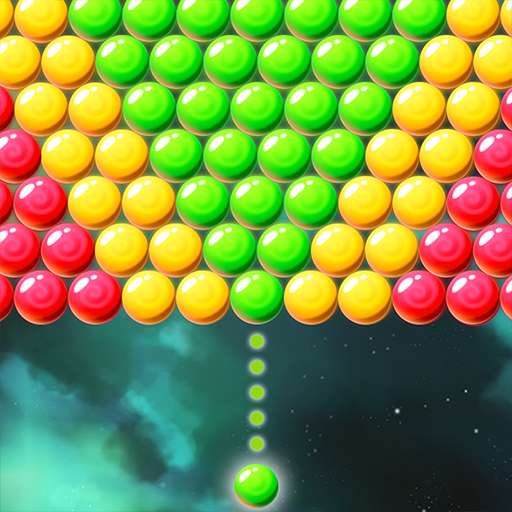
Vibrant Burst Bubble: Bright Shooter Puzzle Fun
Game Introduction A timeless match-3 bubble puzzle classic! Take aim, launch candy-hued bubbles and match three or more of the same shade to make them pop. Clear every bubble on the board and strive for a perfect three-star rating on each level. It’s the ultimate popping fun—effortless to play, endlessly entertaining, and a must-have for puzzle fans everywhere. Game Features 1. Classic Match-3 Gameplay with Zero Barrier to EntryStick to the classic bubble-matching rules — just match 3 or more candy-colored bubbles of the same shade to trigger popping. New players can quickly get immersed and unlock the fun of the game with ease. 2. Vivid Visual Impact & Ultimate Popping ThrillsThe candy-hued bubbles boast bright and saturated colors. Every elimination comes with crisp sound effects and stunning popping visuals, delivering a satisfying audio-visual decompression experience. 3. Three-Star Challenge System for Ever-Increasing FunEach level is equipped with a three-star clear goal. You need not only to empty the board but also to test your precise aiming and strategic planning skills, sparking the desire to retry and conquer. 4. Lightweight Casual Experience for On-the-Go FunEnjoy the game even in fragmented time — whether on your commute or during an afternoon break, you can start and pause the game anytime. It’s the perfect way to relax and unwind. 5. Rich Level Layouts for Non-Stop FreshnessWith a huge number of well-designed levels, each stage features brand-new bubble arrangements and progressive difficulty. Say goodbye to repetitive and tedious gameplay, and keep the elimination fun going. Gameplay and Controls 1. Slide the screen to adjust the bubble aiming direction. 2. Tap the screen to shoot bubbles and match 3+ of the same color. 3. Clear the board to pass the level and strive for three stars. Game Guide Although Bubble Shoot Burst is a classic bubble-matching game, mastering scientific strategies and avoiding blind shooting are essential to pass levels easily and get three stars in each level. This guide breaks down core skills from beginner entry to advanced clearance, balancing practicality and ease of understanding, helping players get started quickly, clear levels efficiently, and unlock all the fun of the game. Core Tips for Beginners: Observe first, then shoot. Don’t rush to tap and shoot at the start. Take 1-2 seconds to observe the board layout and lock in areas with a large number of bubbles of the same color that are concentrated—this is the key to clearing the field quickly. When sliding the screen to adjust the aiming line, try to aim at the middle of the bubbles of the same color to ensure that matching 3 or more bubbles of the same color can be triggered accurately after shooting. Avoid shooting isolated bubbles alone to prevent bubbles from piling up too high and ending the game early. At the same time, remember the color of the next bubble to be shot and plan the aiming direction in advance to improve shooting efficiency. Advanced Clearance Skills: Make good use of mechanisms to save steps cleverly. Wall bounce is a core hidden skill in the game. When the target bubbles of the same color are in the edge of the board, the blind area above, or cannot be hit directly, you can aim at the walls on both sides and use the bubble bounce trajectory to hit the target, easily clearing isolated bubbles. In addition, prioritize clearing the bubbles above the board to avoid excessive accumulation of bubbles above pressing the space below and reducing obstacles for subsequent shots. At the same time, control the shooting rhythm reasonably. Don’t rush to shoot. When there is no suitable target to match, you can shoot to the blank area first and wait for the next bubble to refresh to avoid wasting effective steps. Key to Three-Star Clearance: Strictly control steps and eliminate efficiently. The core of the three-star rating depends on the number of shooting steps and clearance speed—the fewer steps and the faster the speed, the higher the score. In the game, every bubble shot should pursue maximum benefits. Try to trigger chain elimination and eliminate multiple bubbles of the same color at one time, which can not only save steps but also improve the score. When encountering difficult levels, you can flexibly use the in-game props to quickly clear stubborn bubbles and help pass the level efficiently. Avoid wasting steps by blindly pursuing speed. Only by aiming patiently and planning accurately can you clear the board and steadily get three stars. Coping with Late-Game Levels: Adjust flexibly and clear levels steadily. As the levels progress, the bubble layout will become more complex and the number of color types will increase. At this time, you need to adjust your strategy flexibly. You can first lock in the bubbles of the same color with the largest number on the board, focus on clearing them, and gradually simplify the layout; when encountering intertwined bubbles, prioritize shooting the key positions that can trigger multiple chains and gradually disassemble the complex layout. Adhere to the above skills, master aiming, bouncing and planning abilities proficiently, and you can easily conquer all levels, enjoy the immersive fun of bubble matching, and become a real bubble shooting master.
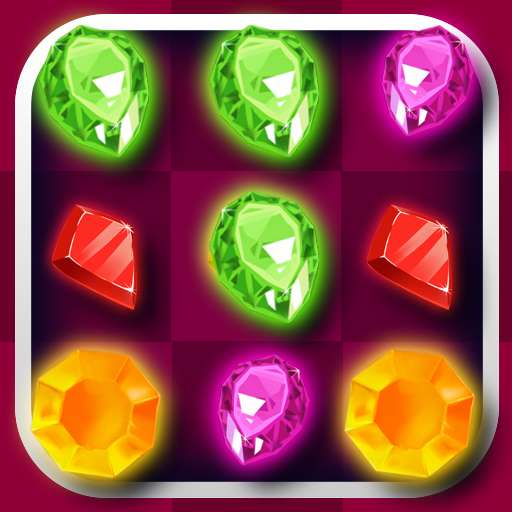
Brilliant Jewel Match:Royal Mania
Game Introduction Step into a magical royal realm where shimmering jewels await at every turn! This spellbinding action-puzzle adventure is easy to learn yet delightfully engaging, crafted for players of all abilities. Forge dazzling jewel matches, unleash thrilling blasts, and embark on a sparkling journey through countless royal challenges in this one-of-a-kind gem quest! Game Features 1. Easy-to-Master Core GameplayIntuitive match and blast mechanics that suit players of all skill levels, simple to pick up and endlessly engaging to play with strategic depth.2. Immersive Royal Jewel RealmStep into a magical royal kingdom with dazzling jewel-themed visuals and atmospheric details, bringing a vivid and glittering adventure experience.3. Diverse Challenging LevelsCountless enchanting levels with unique objectives and creative obstacles, unlock new royal areas as you progress through the jewel quest.4. Powerful Combo & Special EffectsCreate stunning jewel combos to unlock explosive power-ups, trigger brilliant blast effects and chain reactions for thrilling gem-crushing fun.5. Casual Anytime PlayEnjoy the game anytime and anywhere with a relaxed play rhythm, perfect for quick gaming sessions or long immersive adventures.6. Royal Rewards & UnlockablesEarn precious rewards by conquering levels, unlock exclusive jewel collections and royal treasures to enrich your gameplay journey.7. Blend of Action & Puzzle FunExperience the excitement of fast-paced jewel blasting and the brain-teasing fun of puzzle solving, a unique action-puzzle fusion for all players. Gameplay and Controls 1. Basic Matching: Swap the positions of adjacent jewels. Form a line of 3 or more identical jewels horizontally or vertically to eliminate them.2. Advanced Gameplay: Collect the required number of jewels to unlock special ones; activating them triggers large-scale elimination. Consecutive matches will set off chain reactions and improve clearance efficiency.3. Level Clearance: Fulfill the specified elimination objectives and overcome obstacles for each level to clear it and unlock subsequent levels. Game Guide As an action-puzzle royal jewel matching game, mastering core skills can quickly improve your clearance efficiency and easily unlock royal treasures. This guide focuses on beginner-friendly and advanced tips, balancing practicality and conciseness to help players of all levels get started quickly and achieve high scores. Basic matching is the core of clearing levels, with the key principle of "no blind swaps, focus on predictive layout". Swap the positions of adjacent jewels; forming a horizontal or vertical line of 3 or more identical jewels will eliminate them. Beginners should avoid meaningless moves, observe the board first for each step, and look for potential combinations that can trigger chain reactions. Especially prioritize eliminating jewels at the bottom—falling jewels are likely to form new matches, saving move costs. Special jewels are the key to overcoming difficult levels, and rational use can get twice the result with half the effort. Matching 4 identical jewels in a line generates a Flame Jewel, which detonates all jewels within a 3x3 area when eliminated, suitable for clearing dense obstacles. Matching 5 identical jewels in a T or L shape creates a Lightning Jewel, which can clear an entire row and column, easily breaking through one-sided obstacles. Matching 5 identical jewels in a line unlocks a Super Jewel; swapping it with any jewel eliminates all jewels of the same color on the entire board, which can quickly turn the tide in critical moments. Swapping two adjacent special jewels triggers a stronger screen-clearing effect, helping you complete level objectives efficiently. Clearing levels requires targeted strategies, as different levels focus on different priorities. Prioritize completing the specified objectives for each level. If the goal is to collect specific jewels, focus on eliminating that type first to avoid wasting moves on irrelevant matches. For obstacle-based levels, use special jewels to clear obstacles first, opening up space for subsequent matches. During level progression, consecutive matches trigger combo bonuses, improving clearance efficiency and scores, and helping you unlock more royal areas. There are tips for earning high scores and rewards; pay attention to two points during daily gameplay: first, maintain consecutive matches to trigger combo bonuses and accumulate high scores; second, claim royal rewards in a timely manner after clearing levels to unlock exclusive jewel collections, some of which can enhance the power of special jewels. In addition, the game supports casual play anytime, anywhere—focus on easy levels to accumulate rewards in fragmented time, or challenge difficult levels for long-term gameplay to exercise strategic thinking. Overall, the game is easy to learn but full of strategy. Beginners start with basic matching, master the use of special jewels proficiently, and balance objective and move planning to clear levels quickly and gain full game joy in the royal jewel secret realm.

Cozy Pets Charm: Sweet JigSaw Delights
Game Introduction Immerse yourself in the ultimate cozy puzzle escape with Pets Jigsaw Puzzle—where adorable furry friends meet timeless jigsaw fun! Dive into a vast library of free, stunning HD pet-themed images, each crafted with vivid details and charming vibes that make every piece a joy to place. It’s the perfect blend of relaxation and mental engagement: let the gentle focus of piecing together puzzles melt away stress, while flexing your problem-solving skills at your own pace. No steep learning curve, just pure puzzle pleasure—whether you’re a jigsaw newbie looking for a casual pastime or a seasoned enthusiast craving fresh, cute challenges, this game is made for you. Game Features Massive HD Pet-Themed Puzzle LibraryExplore a huge collection of free, high-quality HD pet images featuring all kinds of adorable furry friends. Every picture is packed with vivid details to deliver an immersive visual treat. Customizable Difficulty LevelsTweak the difficulty settings to your liking, ranging from easy beginner modes to challenging expert levels. It perfectly suits both puzzle newbies and seasoned enthusiasts alike. Stress-Free Casual Gameplay No time limits or strict rules to hold you back. Piece together the puzzles at your own pace, and let the soothing process melt away stress for a truly relaxing experience. Smooth and Intuitive Operation Enjoy mobile-optimized controls that feel natural and responsive. Every piece placement is seamless, bringing you a satisfying sense of accomplishment with each fit. Regular Fresh Content Updates New pet-themed puzzle packs roll out on a regular basis, covering different pet breeds and seasonal themes to keep your puzzle adventure fresh and exciting at all times. Age-Friendly Gameplay ExperienceWith easy-to-grasp mechanics, it’s a breeze for kids to pick up, while still offering engaging challenges for adults. It’s a wonderful family-friendly casual puzzle game for everyone to enjoy. Gameplay and Controls 1. Select your favorite pet puzzle theme and difficulty to start the game instantly.2. Move the puzzle pieces and fit them together precisely to form a complete picture.3. Game progress is saved automatically, allowing you to resume playing anytime.4. Unlock new pet-themed puzzle levels once you finish a puzzle. Game Guide As a therapeutic casual puzzle game, Pets Jigsaw Puzzle’s core joy lies in effortlessly piecing together cute pet images, relieving stress, and exercising concentration. This guide is suitable for players from beginners to veterans, featuring concise and practical tips to help you get started efficiently, quickly unlock all fun, and easily master various pet puzzles. Beginner’s Guide: Prioritize low-difficulty modes and choose pet themes with clear patterns and bright colors. These puzzles have high detail differentiation, making it easy to quickly find拼接 rules. Start by sorting out edge pieces to assemble the puzzle frame and determine the overall outline. Then organize the pieces by the pet’s fur color—such as a cat’s white fluff or a dog’s brown hair. Classified splicing can greatly improve efficiency and avoid piece confusion. Game progress is automatically saved, so you don’t have to worry about losing progress when exiting halfway, and you can resume playing anytime during fragmented time. Advanced Tips: As the difficulty increases and the number of pieces grows, adopt a "regional breakthrough" strategy. Focus on the pet’s iconic parts, such as eyes, ears, and patterns—areas with obvious details. Complete these easily recognizable parts first, then gradually expand to the surrounding areas. When encountering pieces with similar colors, you can match them by their concave-convex shapes or zoom in on the screen to check fine textures for accurate splicing and avoid misplacement. Simply slide the pieces to move them during operation; the response is smooth, no frequent adjustments are needed, and the splicing comfort is enhanced. Advanced Gameplay: When challenging high-difficulty levels, you can turn off assistive features to exercise your spatial awareness. Make good use of regularly updated themed puzzle packs to unlock different pet breeds and seasonal limited patterns, keeping your puzzle adventure fresh. After completing a puzzle, you can unlock new levels. It is recommended to increase the difficulty gradually to avoid rushing and affecting the experience, while enjoying the therapeutic feeling during the splicing process. General Tips: There are no time limits or strict rules throughout the game—play at your own pace. When you get stuck in splicing or feel visually fatigued, you can pause to rest and check the pieces from another angle; you can often find the matching position quickly. This game is suitable for all ages. Parents can play with their children, which not only exercises the children’s observation ability but also enhances parent-child interaction. Following the above tips, you can not only efficiently complete various puzzles and unlock all content but also fully feel the casual charm of Pets Jigsaw Puzzle. Relieve stress and gain a full sense of accomplishment while piecing together cute pet pieces.
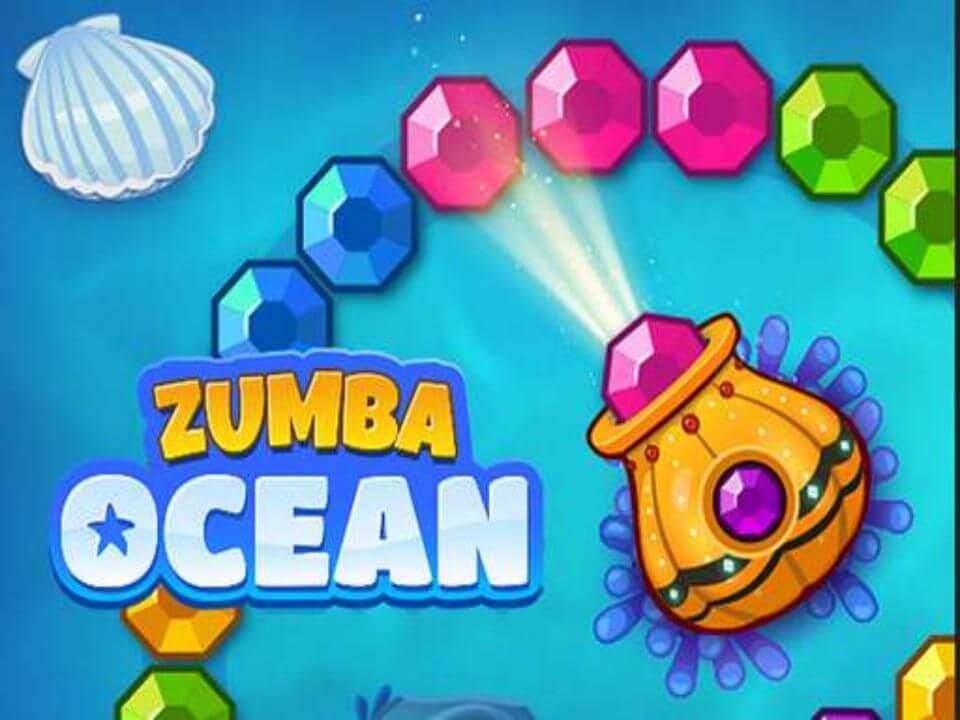
Rhythm Zumba Tides Ocean Rush
Game Introduction Plunge into the vivid underwater puzzle world of Zumba Ocean, a fun-filled gem-matching adventure crafted for players of all ages! Explore more than 59 thrilling levels where you’ll link brilliant, colorful jewels into dazzling chains to clear the board and nail every target score. Channeling the classic joy of Zuma-style gameplay, take careful aim and pop those sparkling gems to unlock the perfect three-star rating on every single level. Put your matching skills to the test as you dive deep into the ocean’s playful puzzle challenges. Ready to claim your title as the ultimate underwater gem master? Jump in and start your adventure now! Game Features Core Classic GameplayInherit the classic Zuma-style gem-matching core. Aim precisely and launch colored beads, link identical gems into chains to trigger elimination. The gameplay is simple and easy to pick up, letting you enjoy the thrilling fun of combo matches right at your fingertips. Rich Level ChallengesUnlock over 59 unique levels with progressive difficulty. Each level comes with its own exclusive target score, and the varied gem layouts in different stages deliver a layer-upon-layer puzzle-solving challenge that keeps you hooked. Immersive Underwater ThemeSet against vibrant underwater backdrops, paired with dazzling gem visual effects, the game creates vivid underwater game scenes. Dive into the fun of underwater puzzle-solving as you match and eliminate gems. Three-Star Rating SystemEach level features a three-star rating standard. Accumulate high scores by popping gems to unlock three-star ratings, and earn full-star achievements to reap a strong sense of clearance accomplishment that fuels your motivation to keep challenging. All-Age Friendly DesignWith no complicated operation barriers and easy-to-understand game rules, both casual players and puzzle enthusiasts can quickly get into the game, and start a relaxing gem-matching adventure anytime, anywhere. Gameplay and Controls 1. Aim at the same-colored gems on the screen and click to launch beads. 2. Eliminate 3 or more same-colored gems in a chain. 3. Reach the target score to unlock the next level. Game Guide As a classic Zuma-style gem-matching game, Zumba Ocean has become a top choice for casual puzzle lovers of all ages with its 59+ progressive levels and immersive underwater theme. This guide focuses on the core needs of "fast clearance + three-star unlocking", extracts practical skills to help new players get started quickly and advanced players break through bottlenecks, making it easy to enjoy the underwater gem adventure. Core for Beginners: Aim Precisely, Eliminate Efficiently. There’s no need to rush to launch colored beads at the start. First, observe the overall gem layout on the screen, lock in areas with concentrated same-colored gems, and prioritize aiming at 3 or more gems that can be directly linked into a chain to avoid wasting colored beads due to blind launches. Operation-wise, simply click accurately on the target direction to launch the colored beads, which will automatically eliminate once linked into a chain. Remember "don’t be greedy or flustered", accumulate scores steadily, and unlock the next level easily. Advanced Clearance Skills: Predict the Layout, Trigger Combo Eliminations. As the levels progress, the gem layout becomes more complex and the difficulty gradually increases, making predictive ability crucial at this time. Observe the movement trajectory and arrangement rules of the gems, and prioritize eliminating gems in edge or dense areas. Sometimes breaking the middle gem layout can make same-colored gems at both ends collide, triggering chain eliminations that greatly improve clearance efficiency and scores. At the same time, try to pursue combo eliminations of 4 or more same-colored gems, which yield higher scores than single eliminations of 3 gems, laying the foundation for three-star ratings. Secrets to Unlocking Three Stars: Control Speed to Score, Steady and Sure. The core of the three-star rating for each level is to reach the target high score, not to clear the level quickly. In gameplay, reduce the number of invalid launches, aim at positions that can trigger combo eliminations every step of the way, and maximize the use of each colored bead; avoid missing scattered same-colored gems, and clean up remaining gems on the edges in a timely manner to get additional score bonuses. Maintain a steady rhythm and don’t rush for quick results. Even if the progress is slow, as long as the score meets the standard, you can unlock the three-star rating and gain a full sense of accomplishment. Avoid Common Mistakes: Don’t blindly pursue speed and ignore observing the layout, otherwise it’s easy to cause gem accumulation and insufficient scores; don’t insist on a single high combo elimination. When the layout is scattered, prioritize basic eliminations and advance steadily to clear the level more easily. For later levels, you can flexibly adjust your strategy, prioritize handling areas with a single color that are difficult to match, and gradually solve complex layouts. Summary: The core fun of Zumba Ocean lies in the balance of "strategy + leisure". No complex operations are required. Master the three-step method of "observe-predict-combo eliminate", and you can not only clear all levels easily but also unlock all three-star achievements. Follow the skills in this guide, immerse yourself in the colorful underwater world, exercise your concentration, and enjoy the pleasure of finger elimination to quickly become an underwater gem master.

Saga Blast Cubes Quest: Thrilling Block Busting Adventures
Game Introduction Step into a bright, colorful puzzle adventure brimming with charm and explosive fun! Link two or more vividly hued cubes to unleash satisfying blasts, and use your sharp matching skills to rescue the sweetest little creatures around every corner. Each new level unlocks fresh, brain-teasing puzzles that’ll test your matching smarts and keep you engaged for hours on end. For every fan of vibrant, casual puzzle games, this addictive match-2 experience is the perfect pick for quick, joyful gameplay anytime, anywhere. How many levels can you master? Blast, match, and conquer your way through endless puzzle fun—your epic cube-blasting journey starts right now! Game Features 1. Easy & Addictive Match-2 GameplayLink two or more same-color cubes to trigger satisfying blasts with simple taps. Use your matching skills to rescue adorable creatures, no complicated operations required for instant fun.2. Countless Brain-Teasing LevelsExperience a constant stream of fresh, well-designed levels with unique challenges. The difficulty curves gently, bringing both casual joy and brainy fun for all skill levels.3. Vivid Visuals & Delightful EffectsImmerse in a bright, colorful game world with cute creature designs and stunning cube-blasting animations. Every blast delivers eye-catching visual feedback for ultimate satisfaction.4. Perfect for On-the-Go FunEnjoy the game anytime and anywhere, fitting seamlessly into your fragmented time. A quick round of cube blasting is the ideal way to unwind and kill boredom in daily life.5. Strategic Combo BlastsCreate big combos by matching more cubes at once to unleash powerful blasts. Simple yet strategic gameplay keeps you engaged as you plan each move to conquer tricky levels. Gameplay and Controls 1. Tap the screen to connect two or more adjacent cubes of the same color and trigger a blast.2. Eliminate the target cubes and rescue the cute creatures to complete level objectives and clear the stage. Game Guide This guide is designed specifically for beginners to get started quickly and clear levels efficiently. It focuses on the core gameplay and key skills of the game, being concise and practical to help you easily conquer various levels and unlock more fun. The core of the game is matching and eliminating cubes of the same color, with the goal of completing the specified level tasks and rescuing cute creatures. Master the following skills to get started quickly. 1. Basic Operations and Core Principles (Must-Read for Beginners) Remember the core of the operation: tap the screen to connect two or more adjacent cubes of the same color to trigger explosion and elimination. The core principle is "prioritize goals, not blind elimination". Every move should be as close to the level requirements as possible to avoid wasting steps, which is the foundation of efficient level clearing. 2. Key Skills for Clearing Levels Prioritize completing core goals: The core of most levels is to "rescue cute creatures" or "eliminate a specified number of cubes". Prioritize eliminating the cubes around the cute creatures or focus on eliminating the colors specified by the goal. Avoid deviating from the goal by overly pursuing combos, which may lead to failure due to exhausted steps. Make good use of combos to improve efficiency: Connecting three or more cubes of the same color at one time can trigger a stronger explosion effect. It not only eliminates a large number of cubes quickly but also saves steps, which is especially suitable for conquering levels with dense cubes. When planning each move, try to reserve combo opportunities instead of eliminating two cubes separately. Plan steps reasonably: Most levels have a step limit. At the start of the game, spend 2 seconds scanning the entire field to lock in the area with concentrated cubes of the same color. Prioritize eliminating this area to drive the surrounding cubes to fall, which may trigger secondary elimination and maximize the use of each step. Avoid common mistakes: Do not randomly click on scattered two cubes of the same color, as this may lead to no more combos and insufficient steps later. When the cubes are scattered, patiently look for hidden adjacent cubes of the same color and avoid being eager for quick results. 3. Advanced and Casual Tips Beginners can start with low-difficulty levels to familiarize themselves with the operation rhythm and gradually master combo skills. You can start short-game challenges in fragmented time to relax and relieve stress without long-term investment. When you get stuck on a level, you can pause to observe the entire field, re-plan the elimination order, and prioritize cleaning up scattered cubes that hinder elimination, which can often break through the bottleneck. The overall gameplay is simple but hidden with strategies. No complex operations are required. Just remember to "prioritize goals, accumulate combos, and plan wisely", and you can easily conquer various levels, unlock more cute creatures and interesting content, and enjoy the pleasant fun of elimination.
Chill Words with Geems: Relaxing Letter Tiles
Game Introduction Step into the world of Words Geems — the snappy word puzzle delight made for the whole crew! Race against a 3-minute clock to craft as many 3–8 letter words as you can, and watch your score skyrocket with the help of dazzling special gems. Pink gems double your points in an instant, blue gems crank up the multiplier to three times, and rare purple gems send your score soaring fivefold! A quick heads-up: hit pause more than three times in a single round, and it’s back to square one. Packed with endless one-of-a-kind puzzles, eye-popping vibrant graphics, and a local scoreboard to flaunt your personal bests, Words Geems is the outrageously fun logic game that’ll have players of all ages coming back for more! Game Features 1. Family-Friendly Fast-Paced Word ChallengePerfect for players of all ages, with a thrilling 3-minute timed gameplay loop that fits perfectly into spare moments. Test your speed and vocabulary by crafting valid 3–8 letter words in a race against the clock, delivering quick and satisfying gaming sessions every time. 2. Strategic Gem Multiplier SystemElevate your score with dazzling special gems that add a tactical twist to word-building: pink gems double your points, blue gems triple them, and rare purple gems multiply scores fivefold. A unique pause rule (3 pauses max per round) ramps up the challenge and keeps the gameplay intense. 3. Endless Unique Puzzle GenerationNo repetitive rounds—each game features randomly generated letter combinations for limitless unique puzzles. Enjoy a fresh challenge every time you play, with no two sessions ever the same for long-term replay value. 4. Vibrant Visual & Immersive Game ExperienceBoast eye-catching, colorful graphics that bring the word and gem gameplay to life. Crisp visual feedback for successful word builds and gem uses creates a smooth, engaging experience that keeps you hooked. 5. Local Scoreboard for Personal MilestonesTrack and beat your personal best scores with a built-in local scoreboard. Celebrate your vocabulary triumphs and push yourself to set new records, fueling the drive to keep playing and improving. 6. Brain-Boosting Vocabulary FunBlend entertainment with mild mental exercise—sharpen your vocabulary, quick thinking and word-forming skills while having fun. It’s a playful way to boost cognitive agility for both kids and adults alike. Gameplay and Controls 1. Slide to connect letters and form valid 3–8 letter words, then submit to earn points.2. Include pink/blue/purple gems in your words to double/triple/quintuple your score respectively.3. You have 3 minutes per round; pausing more than 3 times will reset the game.4. The local scoreboard automatically tracks your personal bests. Game Guide As a fast-paced family-friendly word puzzle game, the core fun of Words Geems lies in efficiently forming words and skillfully using gem multipliers within 3 minutes to quickly refresh your personal best score. This guide focuses on the three core principles: "saving time, scoring high, and avoiding pitfalls". No complex vocabulary reserve is needed—beginners can also get started quickly, easily master score-rushing skills, and it is suitable for players of all ages. Efficient word formation is the foundation; prioritize quantity before quality. The game requires forming valid 3–8 letter words. Within the 3-minute time limit, do not get stuck on long words and waste time. It is recommended to first form common short words of 3–4 letters, such as cat, dog, eat, etc. These words are quick to recognize and simple to spell, allowing you to accumulate basic scores rapidly and avoid getting nothing while chasing long words as time passes. At the same time, make good use of high-frequency letters (a, e, i, l, n, etc.), which have a high probability of combination, enabling you to connect them into words quickly, improve word formation efficiency, and reduce thinking time. Gem multipliers are the key to scoring high; using them reasonably can make your score soar exponentially. Pink gems double your score, blue gems triple it, and purple gems quintuple it. The priority should follow "purple > blue > pink". Do not use high-multiplier gems on short words; try to wait for long words (6–8 letters) to appear and integrate the gems into them to maximize score benefits. For example, an 8-letter word containing a purple gem can directly multiply the score by five, and a single score is far more than the sum of multiple ordinary short words—it is the core skill to break records. Avoid pitfalls, manage time reasonably, and prevent progress reset. The game rules clearly state that pausing more than 3 times in a single round will reset the game. Therefore, reduce unnecessary pauses, familiarize yourself with the sliding word formation operation in advance, and avoid accidentally touching the pause button. If there are many remaining letters in the last 30 seconds, you can give up complex long words and focus on short word sprints, prioritizing the scores you have already obtained to avoid wasting previous efforts due to timeout. At the same time, avoid repeating the same word—each round generates random letters, and new combinations are easier to accumulate high scores. For long-term improvement, you can use the local scoreboard to review, record your weaknesses, and targetedly accumulate common 3–8 letter words, especially compound words containing high-frequency letters. During daily practice, you can deliberately practice matching gems with long words, improve your reaction speed, and gradually form a rhythm of "short words for guarantee, long words for high scores, and gems for efficiency". In short, the core of this game is "efficiency, strategy, and calmness". Master the skills of ensuring the quantity of short words, scoring high with long words, and using gems optimally, avoid pause pitfalls, and allocate time reasonably within 3 minutes. Whether you are a beginner or an experienced player, you can easily refresh your personal record and gain a full sense of accomplishment in the fun of word formation.
